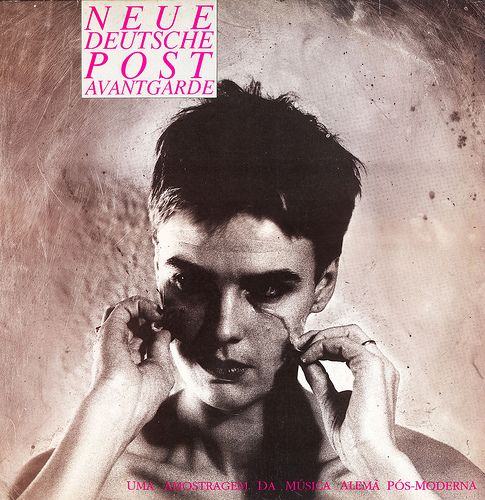
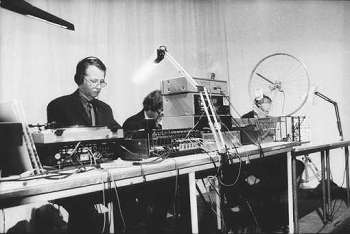
Este é um vinil hoje raríssimo que fazia a alegria de quem frequentava o Instituto Goethe quando este era voltado para as artes. Ele, a coletânea, dava uma passada pelos grupos de música de vanguarda alemães dos anos 80. Bem, e era uma loucura absoluta. Eu adoro! A produção era do Goethe de São Paulo e o nome era “Uma Amostragem da Música Alemã Pós-Moderna”. E, bem, na minha opinião é rock n` roll… Inicia até calminho, mas e depois? Há, Beethoven e Power Rangers, corais e motores. Leiam abaixo a história das 2.950 cópias deste disco surpreendente que trago para vocês neste domingo. O meu exemplar está aqui em casa guardadinho. Vale muito. É a música ideal para torturar vizinhos e pessoas convencionais em geral. Ex-esposas e ex-maridos de ouvidos pouco alongados são alvos preferenciais.
Muito cuidado, convém usar moderadamente! Você pode acabar agredido!
.oOo.
Very important 80s compilation gathering the best experimental acts of the German scene of this time. Limited edition of 2950 copies pressed in Germany for the Goethe Institute, Sao Paulo, Brazil. Only 150 copies remained for sale in Europe. The other 2800 copies were sent to the Goethe Institute & went lost there. I suppose the LPs were distributed among the people in Brazil, which were highly interested in avant-garde music after the great success of the EUROPEAN MINIMAL MUSIC PROJECT presentation in Brazil. It is known that Kodiak Bachine in collaboration with Elmar Brandt, director of the Goethe Institute of São Paulo at that time, participated of the launching of the LP Neue Deutsche Post-Avantgarde in São Paulo at “Cri Du Chat” record store.
The Portuguese title is “Uma Amostragem Da Musica Alemã Pós-Moderna”.
Musicians:
1. S.B.O.T.H.I. (Swimming Behavior Of The Human Infant)
Real Name: Achim Wollscheid. Achim Wollscheid is a media artist whose work over the past 20 years has been at the forefront of experimental music. His work in sound has led to an interest in the relation between sound, light and architectural space, which he pursues through public, interactive and electronic projects.
2. Cranioclast
Cranioclast is a duo from Hagen, Germany, which produce various artistic endeavors, most commonly music. Usually those two identify themselves as Soltan Karik and Sankt Klario. They have their own label called CoC and were working with a number of like-minded bands, including Kallabris, Fetisch Park and A.B.G.S..
3. P16.D4
P16D4 was a German band whose music bordered on the industrial and on the cacophonous. On their debut album “Kühe In 1/2 Trauer” (Selektion, 1982) they managed to fuse the playful irrationality of Dadaism and the oppressive tones of expressionism. Roger Schönauer and Ewald Weber focused on an austere art and technique of loop and tape manipulation. Stefan E. Schmidt joined the ensemble on Distruct (Selektion, 1995), a deconstructed remix of sound sources provided by friends in the industrial scene. The double album Nichts Niemand Nirgends Nie (1985) delved into musique concrete and electronic improvisation. Tionchor (Sonoris, 1987) collects revised rarities.
4. Gerechtigkeitsliga
Members: Till Brüggemann & Ragnar. Gerechtigkeitsliga was formed in 1981. At that time, there were four German artists involved. The centre of operations was moved from Germany to London. Throughout the 1980’s and the early 90’s, the group was self-sufficient in producing music, films and videos. Multimedia Performances took place throughout central Europe and the USA. Gerechtigkeits Liga participated in many tape and some vinyl compilations in Europe, Brazil and the USA. (Gerechtigkeits Liga “Hypnotischer Existenzialismus” was also released as 12″ red vinyl on U.S.A label Thermidor records. G.L`s first 12″ was released on their own Zyklus records label in 1984).
5. Graf Haufen
Real Name: Karsten Rodemann. Started during the early days of the “tape revolution” in the early 1980’s at age 14 to release audio tapes of his own music under different names. The label was called GRAF HAUFEN TAPES. Later he added other musicians to the rooster as well. The label was stopped around 1985. Later he released books and booklets for art exhibitions held at his own apartment – some of the artists involved are also musicians such as John Hudak, G.X. Jupitter-Larsen aka THE HATERS, Andrzej Dudek-Dürer, Das Synthetische Mischgewebe.
6. Mullah
7. H.N.A.S.
HNAS (Hirsche Nicht Auf Sofa or Moose Without a Sofa), emerged in the 80’s German post avant garde industrial scene. The group was founded by Achim P. Li Khan and Christoph Heemann They are known for their radically eclectic sound and their sophisticated studio work. The work of HNAS is marked especially by an absurd sense of humor (their name being the first indication). . H.N.A.S.’s sound experimentation started in 1984 with a series of limited cassettes made for demonstration purpose or personal use. Their first LP, 1985’s Abwassermusik reflected an interest in collages of samples, tape loops and found sounds, often repeated ad infinitum. The group then recorded “Melchior” with Steven Stapleton (of Nurse with Wound). The group released two more LPs during 1986-87, Im Schatten Der Mhre and Kuttel im Frost (both on Dom).
8. Cinéma Vérité
Noise, experimental, minimal Members: Andreas Hoffmann, Klaus Hoeppner
9. Frieder Butzmann / Thomas Kapielski
Thomas Kapielski German author, artist & musician.
Frieder Butzmann, Veteran German musician amongst others on Zensor label.
10. Werkbund
Enigmatic industrial/experimental band from Hamburg, Germany. The sound deals mainly with marine tales and myths from Northern Germany. So far, it is not known who the artists are. It has been guessed that Felix Kubin and Uli Rehberg and other artists from Hamburg might be involved. Some people pretend that both Werkbund and Mechthild Von Leusch involve the collaboration of Asmus Tietchens and Uli Rehberg, though Asmus Tietchens repeatedly and vehemently denied any participation in the band.
Tracklist
A1. S.B.O.T.H.I. – Meio 1
A2. Cranioclast – “… And Even When They Are Shadowing the Skies …”
A3. P16. D4 – Driesbach
A4. Gerechtigkeits Liga – Zyklus Beats / In Excelsis Zyklus
A5. Graf Haufen – Scanning / Nature Is Noise Enough
A6 Mullah – Starve to Death
B1. H.N.A.S. – Quietschend, laut und ungestüm (Es war nicht mein Tag)
B2. Cinema Verite – Gebetsmhlen
B3. Frieder Butzmann / Thomas Kapielski – Rausch, Leiden und Gesang des B. und des K.
B4. Werkbund – Unter der Stadt 3
B5. S.B.O.T.H.I. – Meio 2
PQP
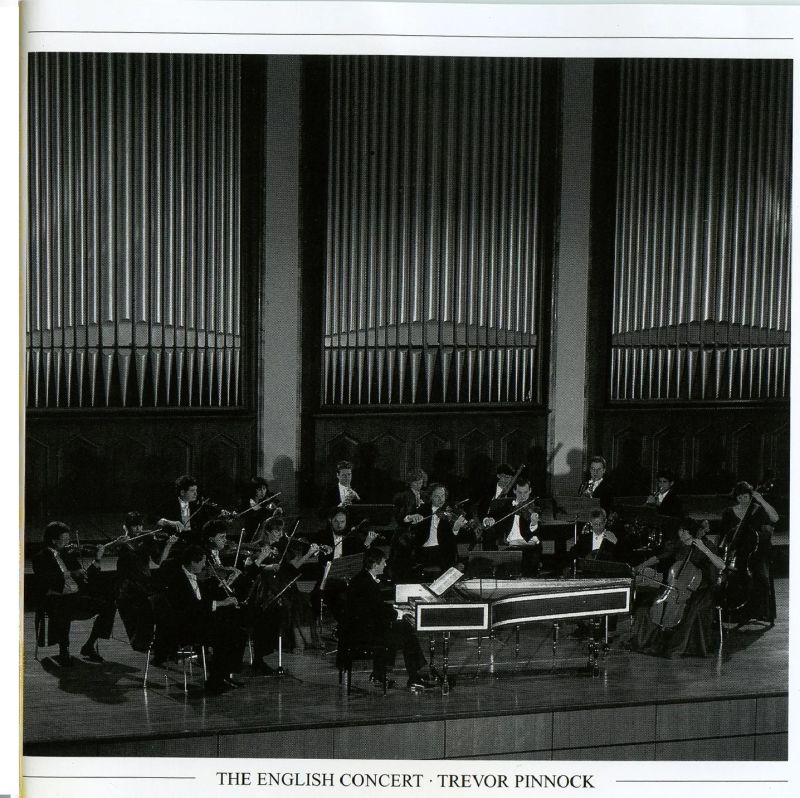
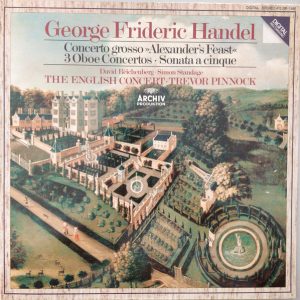 Ao contrário de Bach, Händel viajou bastante. passou seus anos jovens na Itália e depois foi fazer um sucesso estrondoso em Londres com suas óperas e oratórios. Aqui estão algumas obras orquestrais e para solistas. Os intérpretes são o excelente conjunto inglês “The English Concert”, especializado no repertório barroco, e dirigido pelo incansável Trevor Pinnock. O belo Concerto Grosso “Alexander`s Feast” foi baseado no poema de John Dryden (1697), que narra um banquete oferecido por Alexandre, o Grande, após a conquista de Persépolis. Nele, o músico Timóteo toca sua lira, despertando em Alexandre emoções variadas — desde a nostalgia até a fúria guerreira — mostrando o poder transformador da música. Handel sabia que o público associaria a música ao drama do poema (já famoso na época). O tema de Alexandre era popular no século XVIII, simbolizando poder, luxo e emoção. No concerto, o segundo movimento (Allegro) reflete a “fúria de Alexandre” descrita na ode, com ritmos incisivos. O Adagio lembra o momento em que Timóteo acalma o rei com música suave. O final é apenas bonito e é meu movimento preferido.
 IM-PER-DÍ-VEL !!!

 IM-PER-Dí-VEL !!!
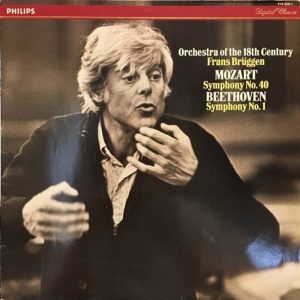 Não encontrei resquício deste CD na minha cedeteca, mas posso afirmar que ele existe(iu) não somente em CD mas no formato LP (Philips 416 329) e fita cassete… É muito bom, tenho o LP em casa. Ah, este eu achei. É da época em que era meio escandaloso utilizar instrumentos originais fora da música estritamente barroca. Hoje, não surpreende mais ninguém. Encontrei este arquivo mp3 perdido no computador. A surpresa causada pelas abordagens do pessoal dos instrumentos originais a Beethoven pode ser medida por este artigo de 16/03/1986, publicado no New York Times: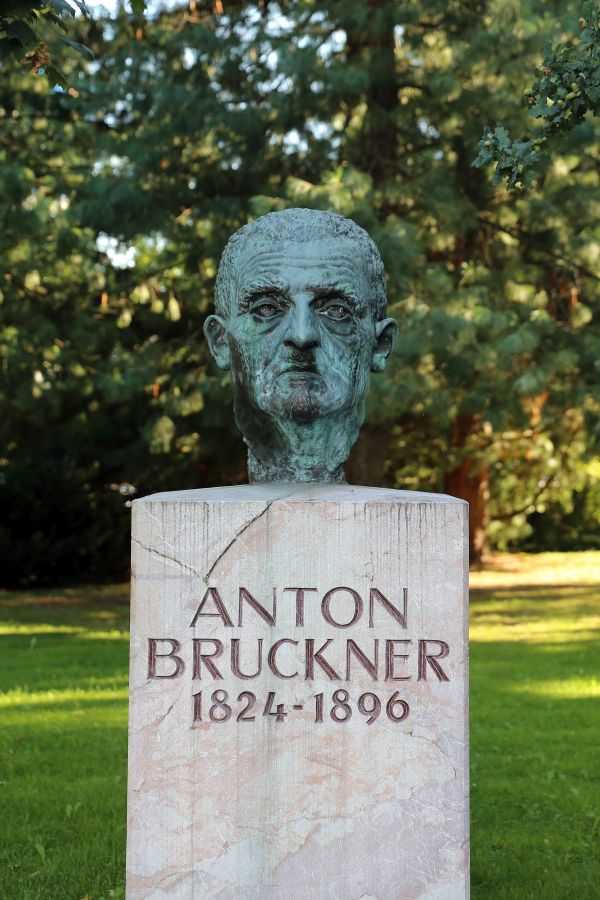

 IM-PER-DÍ-VEL !!!
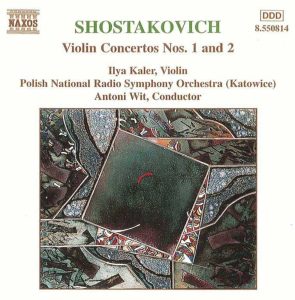 Achei por bem postar este maravilhoso CD, porquanto desde o momento em que pude ouvi-lo, fiquei absurdamente satisfeito. Traz os dois concertos para violino de um dos meus compositores favoritos – Shostakovich. A música de Shosta sempre foi geradora de um intenso mistério em mim. Existe um profundo senso trágico, de lamento, de dor velada, de angústia represada, talvez fruto de suas emoções incontidas; de seu silêncio aflito. Quiçá eu possua um pouco do compositor soviético em mim. Shosta seria quem foi em qualquer lugar do universo. Li isso uma vez num texto escrito pelo Milton Ribeiro. Verifiquei que ele foi muito feliz nessa assertiva. De fato, em se tratando de Shostakovich, o regime soviético serviu apenas como um aspecto contingente em seu âmago como ser histórico. O compositor se portaria como essa figura introvertida, silenciosa e de alma vulcânica, mesmo em outro país. Gosto muito dessas gravações da Naxos. A Naxos possui um charme curioso. Sinto-me compelido a postar tudo o que consigo dela. Um bom deleite!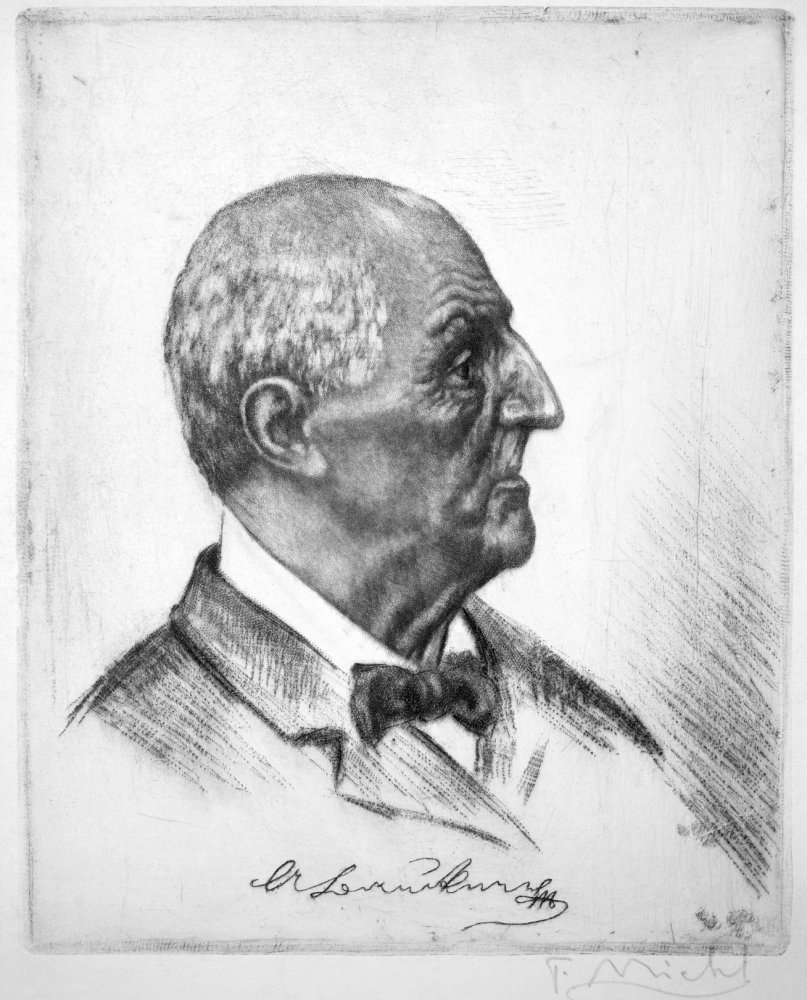
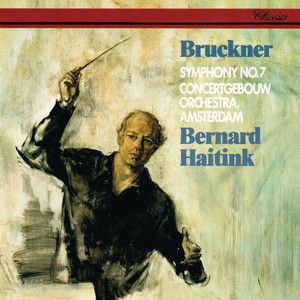 Dia de Bruckner aqui no PQP Bach!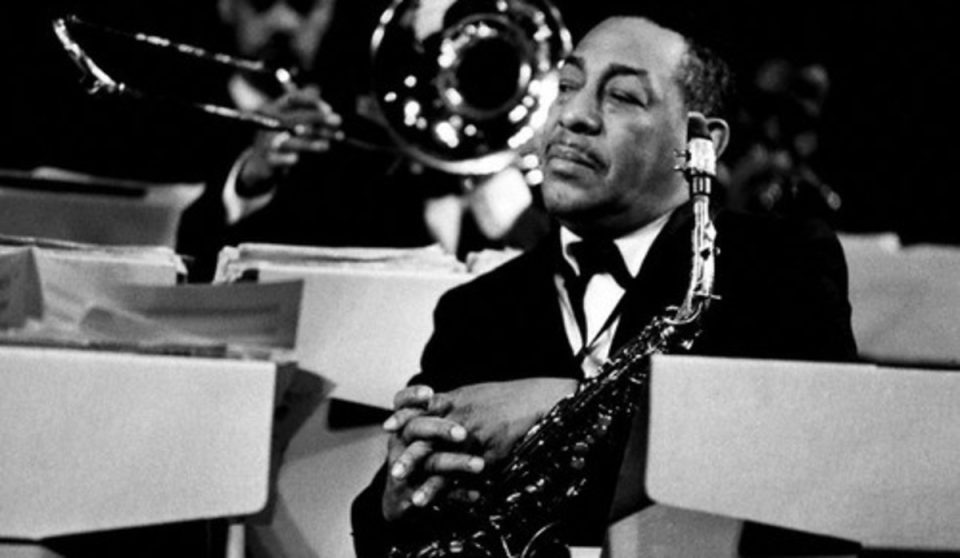
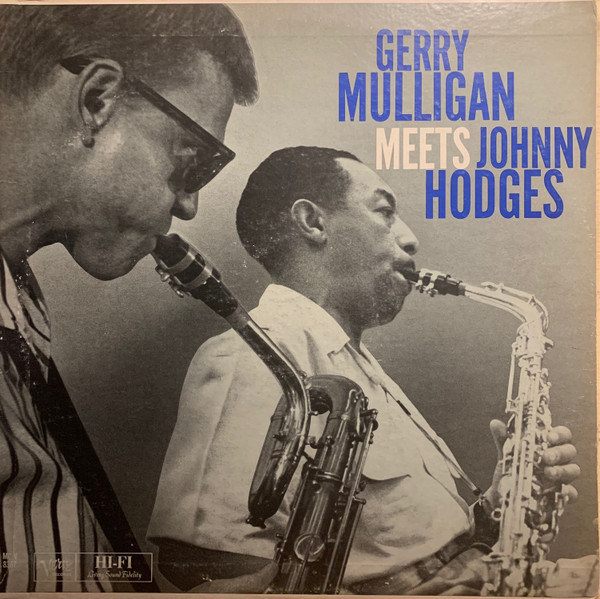




 (Alô, alô, FDP! Cadê a terceira de Brahms com o Bernstein que a Clara pediu????)



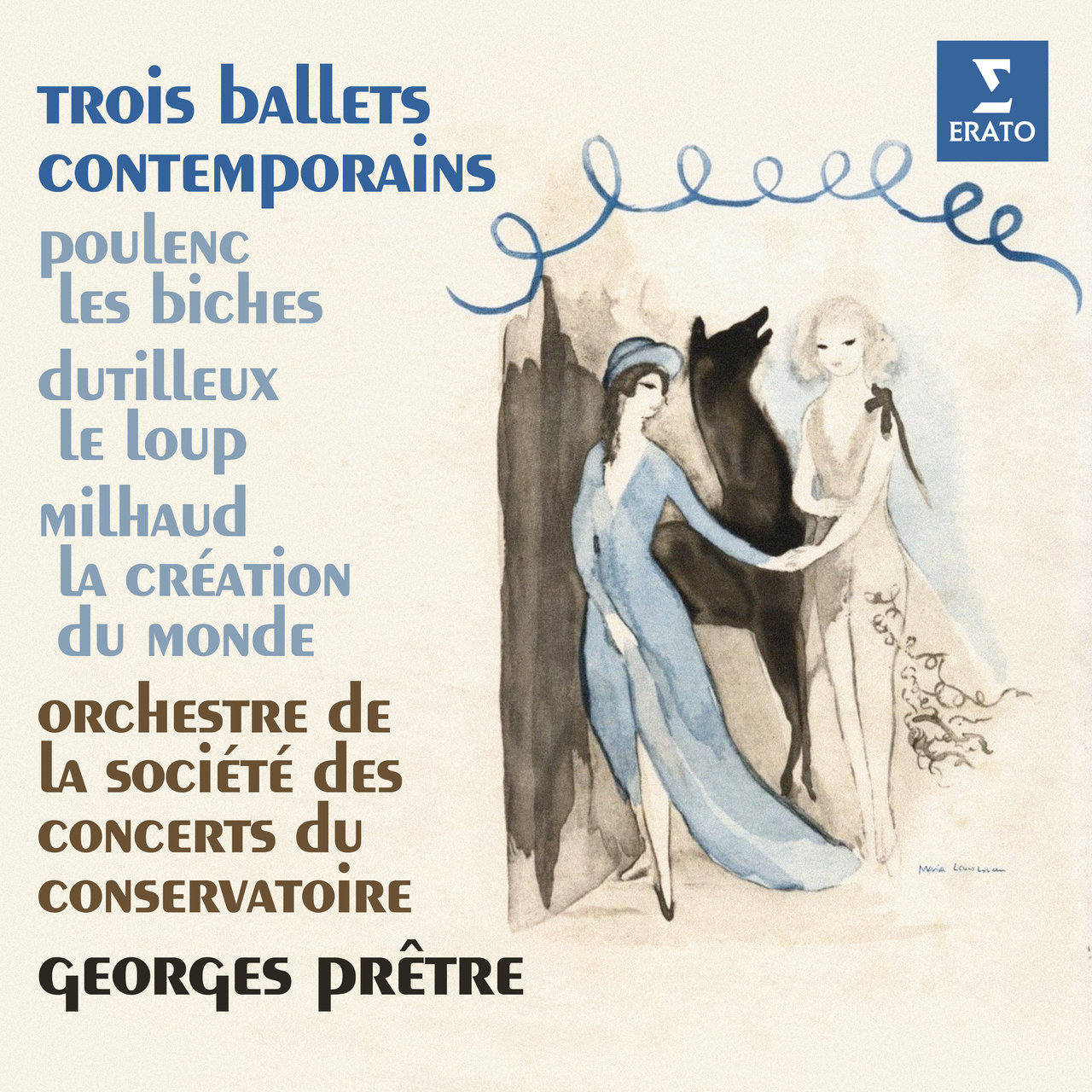
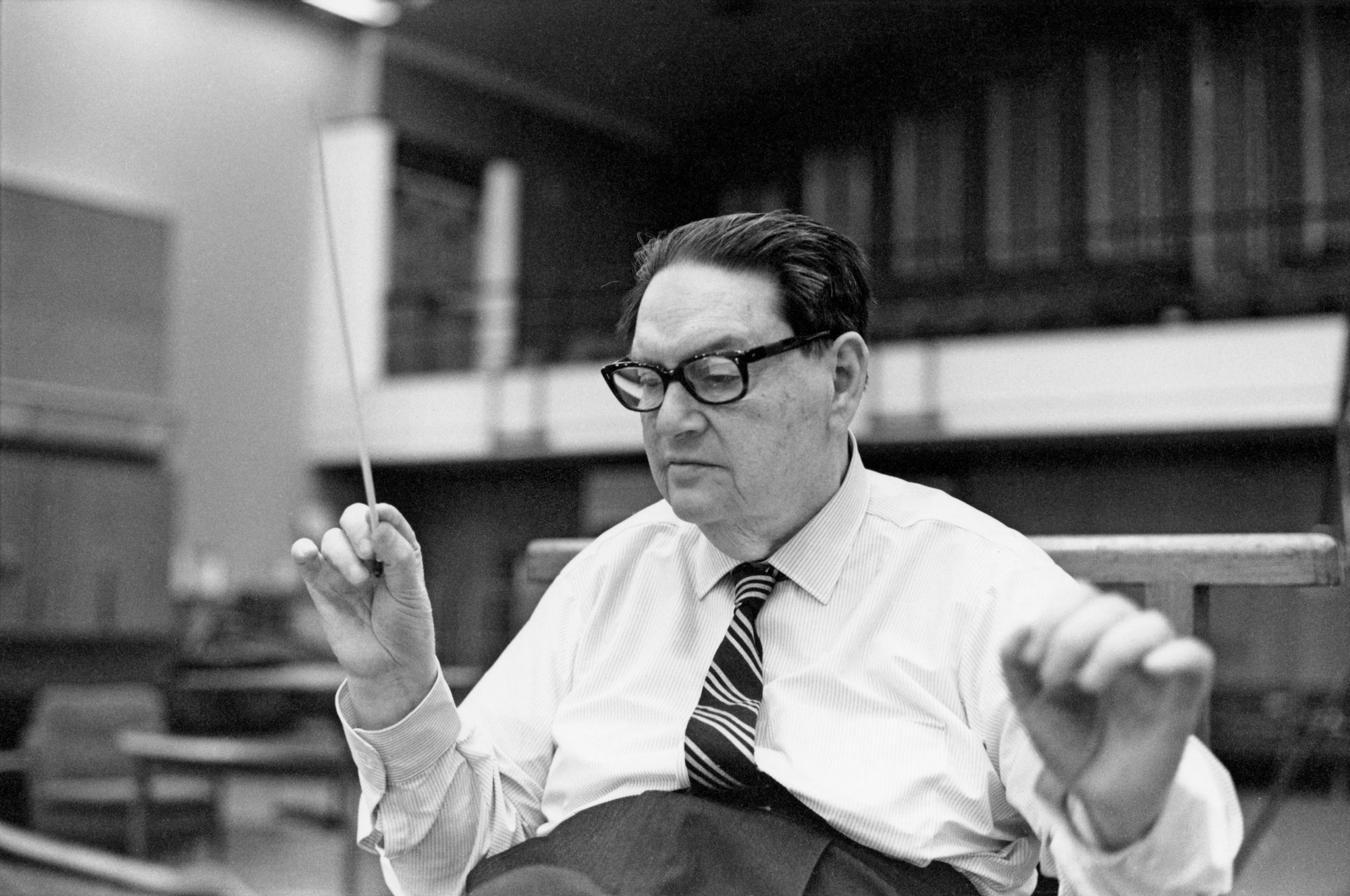
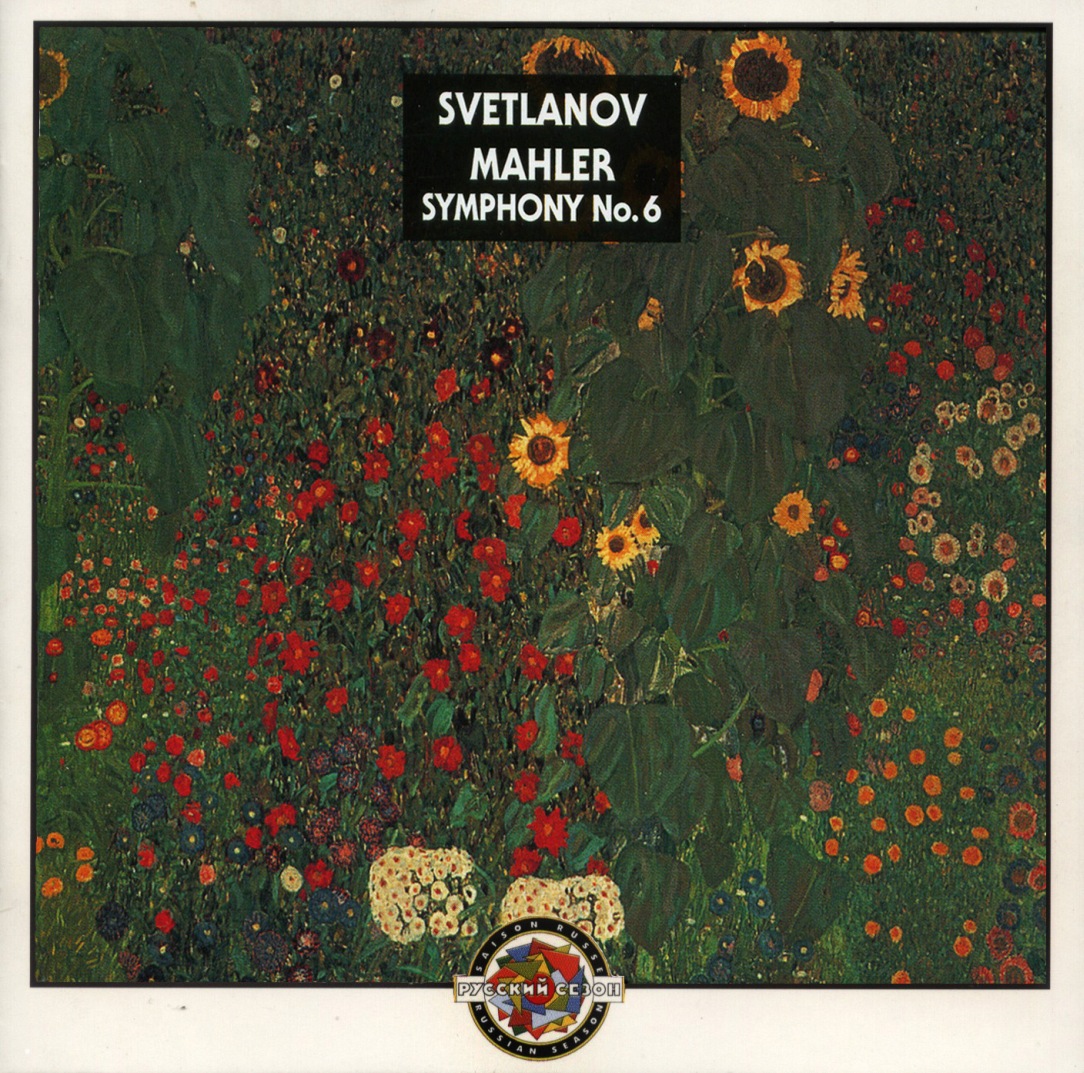
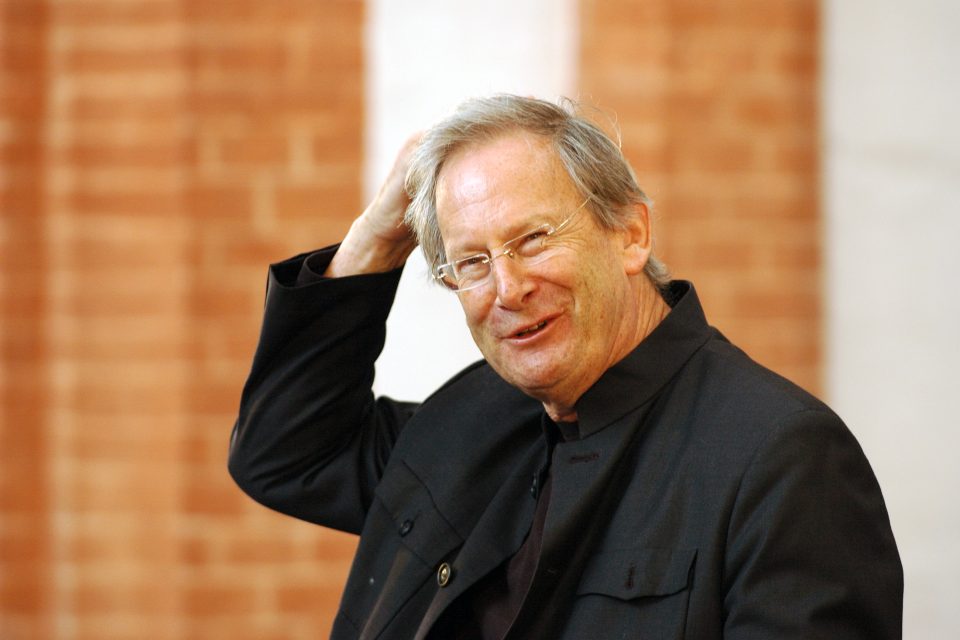
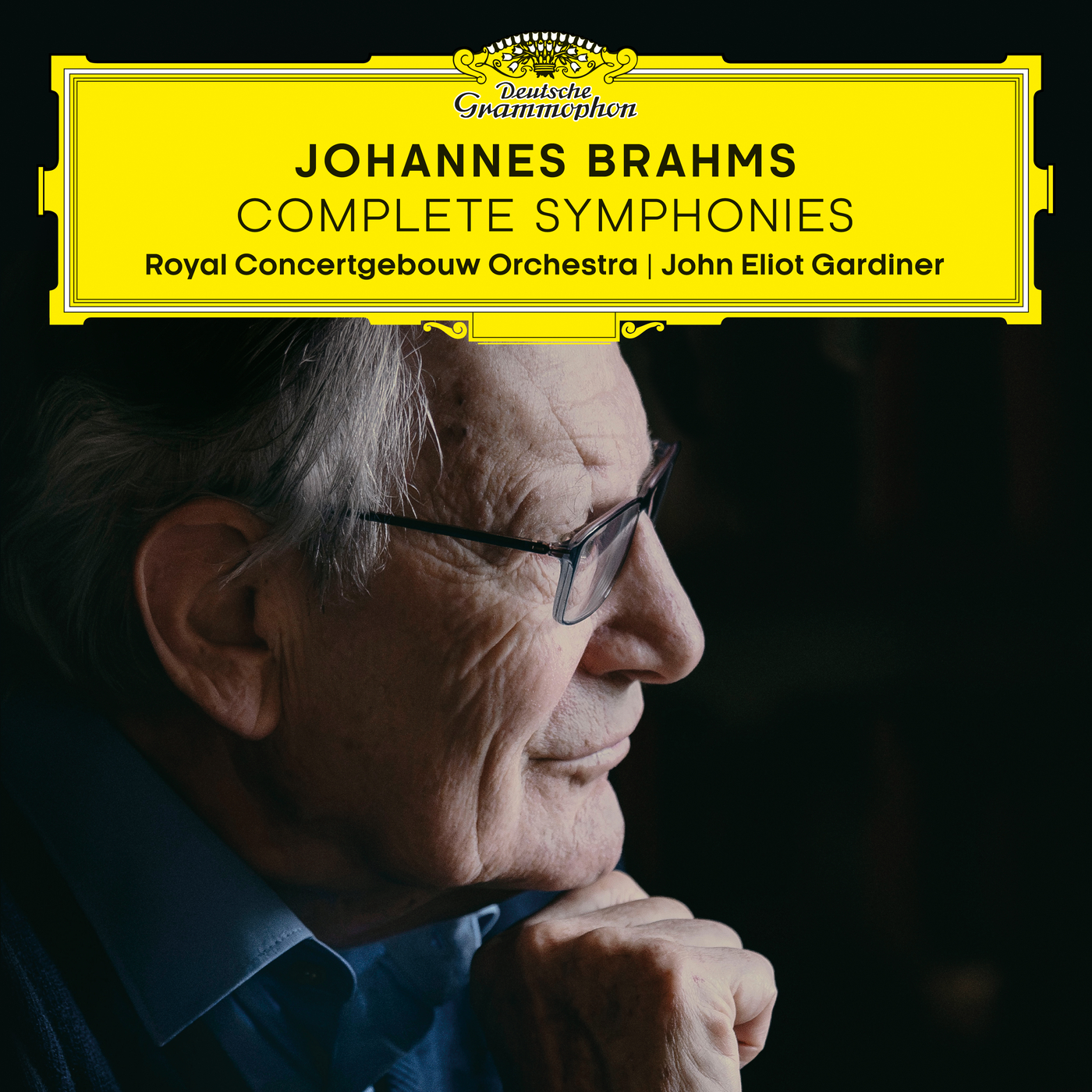




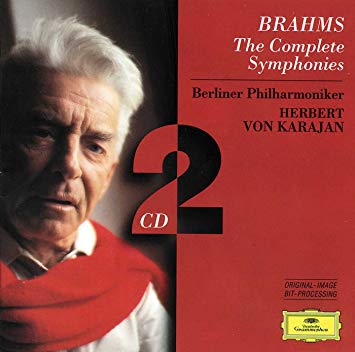
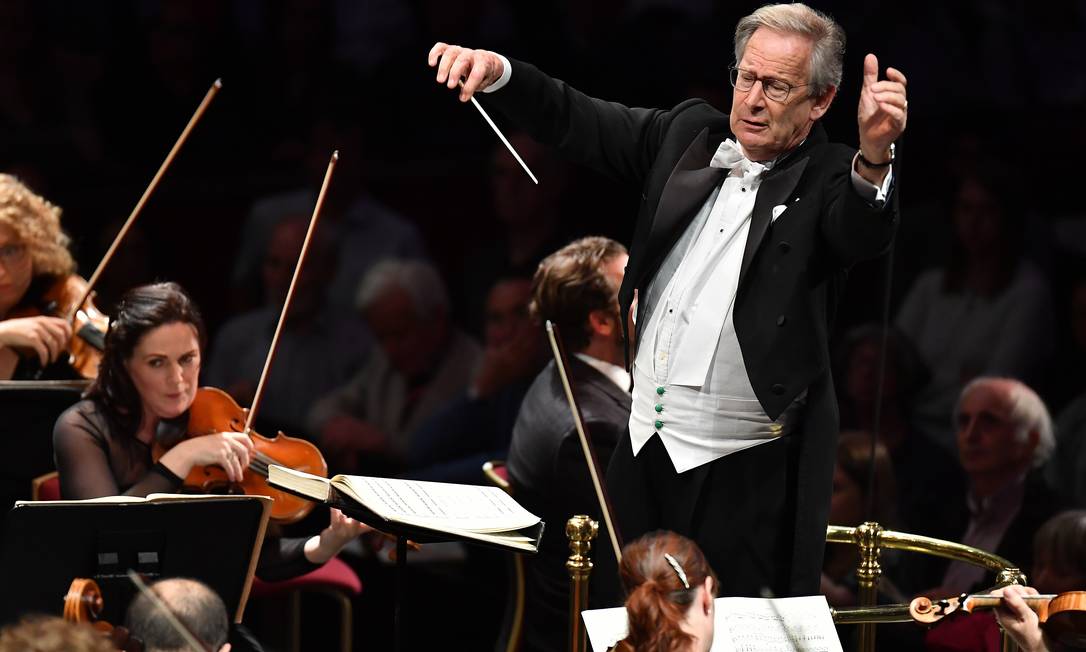
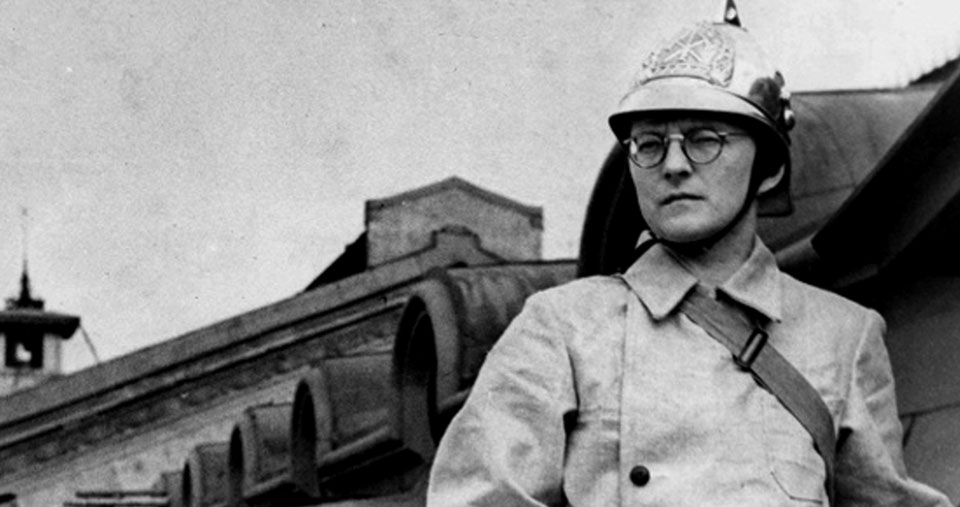
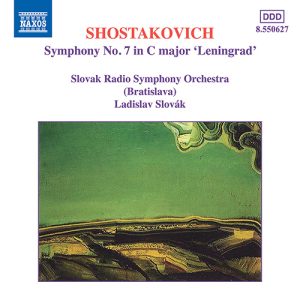 Esta Sinfonia está longe de ser minha obra preferida de Shosta, mas é bastante apreciada por aí, talvez por seu simbolismo e posição histórica. É uma obra politicamente carregada, composta em meio ao cerco de Leningrado pelos nazistas durante a Segunda Guerra Mundial. Foi composta em 1941, logo após a invasão alemã da União Soviética e estreada em Leningrado em 1942, com a cidade ainda sitiada. A partitura foi levada em microfilme até a cidade. A orquestra local estava tão fragilizada pela fome que músicos do exército tiveram que ser convocados para completar os naipes. É uma sinfonia em quatro movimentos, grandiosa, com mais de uma hora de duração. O movimento mais célebre é o primeiro, com sua célebre “marcha da invasão”. Oficialmente, foi saudada como símbolo da resistência soviética ao nazismo. Mas muitos ouvintes e críticos — principalmente no Ocidente — perceberam que a sinfonia poderia ser uma crítica dupla, tanto ao terror de Hitler quanto ao de Stálin. É uma sinfonia de guerra, mas também de luto e ambiguidade moral.


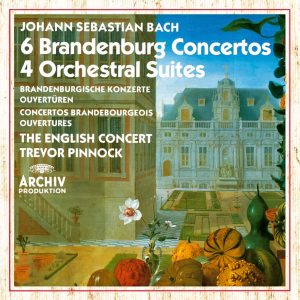
 Mais um post do grande pai – dessa vez os deliciosos Concertos de Brandenburgo. “Os