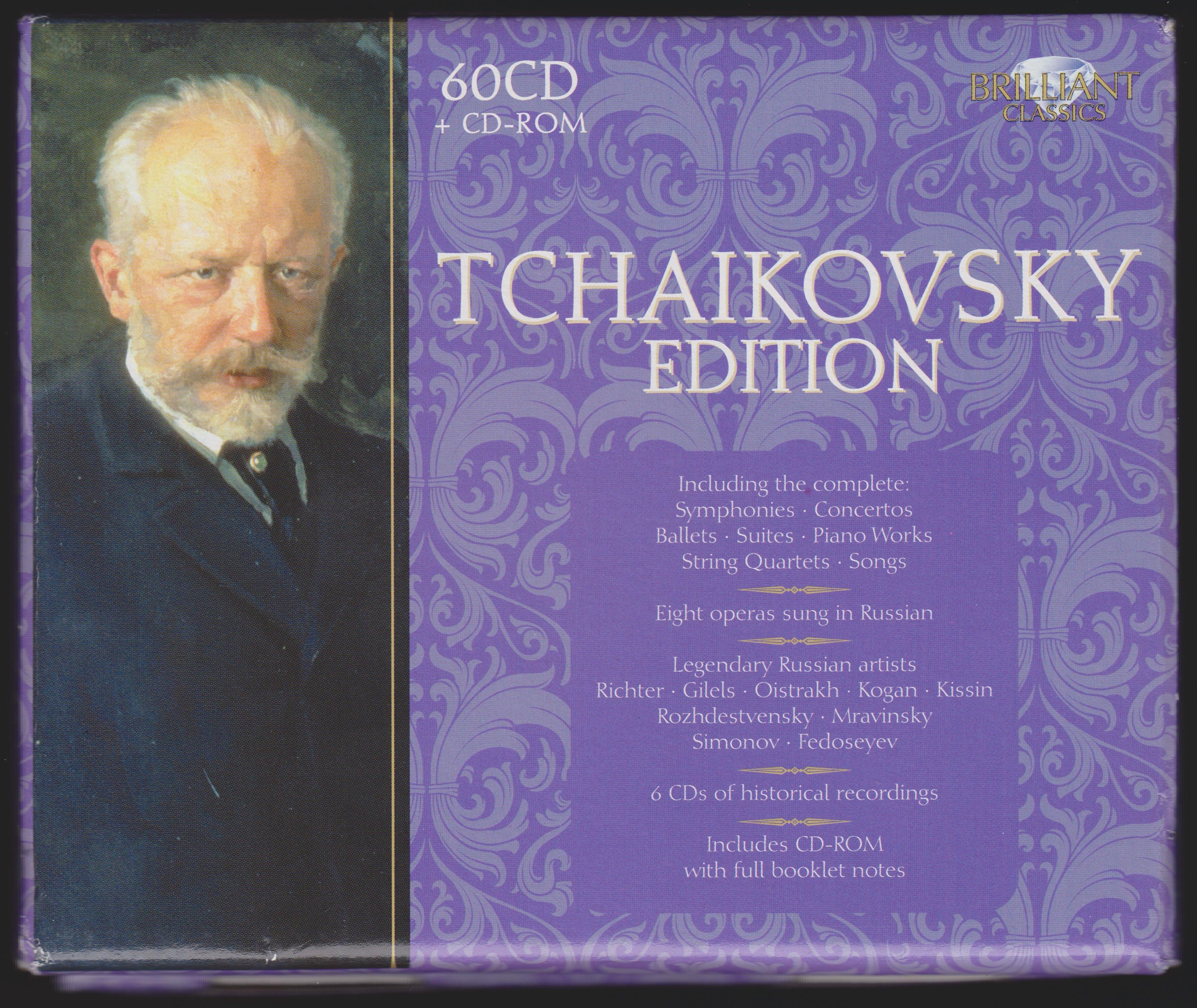
Pyotr Ilyich Tchaikovsky (1840-1893) – Orchestral Suites – Neville Marriner, Radio-Sinfonieorchester Stuttgart

Orchestral Suite No.1 in D minor Op.43 (1878–9)

‘A Suite in the style of Lachner’, who published seven (1861–81), composed in Russia and Italy. Inscribed cryptically to *** – Tchaikovsky’s patroness in absentia Nadezhda von Meck – it dates from the period of The Maid of Orleans and the premieres of Eugene Onegin and the Liturgy of St John Chrysostom. Nikolai Rubinstein directed the first performance in Moscow, 8/20 December 1879. ‘On Saturday, the Suite was played with great success,’ reported Tchaikovsky’s publisher, Pyotr Jurgenson. ‘The [fugal] first movement did not arouse any particular enthusiasm on the part of the audience. The second [B flat major – written last, in August 1879] was liked. The Andante pleased very much, and the March [A major – which Tchaikovsky had wanted to discard on grounds of ‘doubtful merit’] drew applause which wouldn’t stop until it was repeated. The Scherzo [B flat major] was very well received. But by the time the Gavotte was played, interest flagged and the one thought in the mind of the audience was to leave as soon as possible. Rubinstein complained of the tremendous difficulties presented to the orchestra.’
‘Rooted primarily in the decorative world of the ballet divertissement [incidental scores, too, The Snow Maiden for instance] not concerned with major expressive issues’ (David Brown), the D minor Suite is finer than many commentators would lead us to believe, particularly in the hands of a committed champion like Gauk (or, later, Svetlanov). Typically, its orchestration, including triangle and glockenspiel, transforms simple ideas and cadences into an atmospheric carnival of costumes and ‘lighting’ angles.

Orchestral Suite No.2 in C Op.53 ‘Suite caractéristique’ (1883)

Dedicated to Tchaikovsky’s sister-in-law, Praskovya (who lived until 1956), this was first heard under Erdmannsdörfer in Moscow, 4/16 February 1884. Tchaikovsky himself directed the Petersburg premiere, 5/17 March 1887. To von Meck he generalised the genre: ‘for some time [the suite form has] been particularly attractive to me because of the freedom it affords the composer not to be inhibited by any
traditions, by conventional met hods and established rules’ (16/28 April 1884). Of the four examples he put together, the first three glow in vibrant images, eternal phrases (did Tchaikovsky ever write a bad tune?), and intricately detailed orchestral glamour/surprise.
Orbiting the note E (pivotally linking the keys of the five moments), No.2, as Tchaikovsky himself realised, impresses chiefly for its third and fourth movements, both originally longer: ‘I am almost certain that the Scherzo (with the accordions [four of the diatonic button variety: an extraordinary folk timbre]) and the Andante (Child’s Dreams) will please’ (to his younger brother Modest, 26 September/8 October 1883). Writing of the E major Scherzo, a thrilling chase, cinematically prescient, Brown suggests it ‘crosses into the musical territory of the Russian supernatural’. Of the A minor Andante, that it ‘contains both the most conventional and the most original music in the whole suite […] Even within the enchanted music of Sleeping Beauty, which it clearly presages, there is rarely quite the same disquieting sense of shapes indefinable and forces unknown.’ The ‘Little Russian’ finale, ‘Wild Dance in the style of Dargomizhsky’, pays homage to Dargomizshky’s Kazatchok fantasia (which Tchaikovsky had arranged for piano around 1868.

Orchestral Suite No.3 in G Op.55

Besides his symphonies and symphonic poems Tchaikovsky wrote four orchestral suites. They show, more than the works mentioned above, the extent to which the dance rhythm is the basis for his orchestral music. In all the four movements of the Third Suite (1884) this basis is always refined, but never obscured by a strong need for charm and elegance. Although the four movements have titles intended to clarify their own character, the mood on the surface in one movement is an undercurrent in another. The ‘Elegy’ is full of major-key moments and the ‘Valse romantique’ is, like a Schubertian waltz, always two coins of the same medal. In the Scherzo the dance rhythm always competes with the desire for refinement. No wonder Stravinsky admired Tchaikovsky’s art of orchestration. The finale was not meant as ballet music, but Tchaikovsky’s intention to let the music glitter and scintillate makes the listener wonder why this music is not more often heard.

Emanuel Overbeeke

Suite No.4 in G Op.61 ‘Mozartiana’ (1887)

‘Mozart I love as a musical Christ […] Mozart was a being so angelical and childlike in his purity, his music is so full of unattainably divine beauty, that if there is someone you can mention in the same breath as Christ, then it is he. […] Mozart is the highest, the culminating point which beauty has reached in the sphere of music […] In Mozart I love everything because we love everything in a person whom we truly love’ (Diary, 20 September/2 October 1886). The ‘Mozartiana’ suite adapts four short Mozart originals (according to Tchaikovsky ‘minutely enhanced and harmonically modified’), using a comparatively modest orchestra but including cymbals, glockenspiel and harp. ‘For around an hour each day I’m occupied with orchestrating piano pieces by Mozart, which by the end of the summer I should have turned into a suite of novel character (the old given contemporary treatment)’ (24 June/6 July 1887). Tchaikovsky directed the first performance in Moscow, at a Russian Musical Society concert on 14/26 November 1887.

I. Gigue: Gigue K574 (Leipzig, 16 May 1789), G major. II. Menuetto: Minuet K355 (Vienna, ?1786–87), D major. Trio section by Maximilian Stadler (1748–1833). III. Pregheira: Ave verum corpus K618 (Baden, 1746 June 1791), from Liszt’s organ transcription (Evocation à la Chapelle Sixtine, c. 1862), B flat major. IV. Thème et variations: Unser dummer Pöbel meint, after Gluck (1714–87) K455 (Vienna, 25 August 1784), G major.

Ates Orga, 2010

CD 10

01. Orchestral Suite No. 1 in D minor, Op.43 – I. Introduzione e Fuga
02. Orchestral Suite No. 1 in D minor, Op.43 – II. Divertimento
03. Orchestral Suite No. 1 in D minor, Op.43 – III. Intermezzo
04. Orchestral Suite No. 1 in D minor, Op.43 – IV. Marche Miniature
05. Orchestral Suite No. 1 in D minor, Op.43 – V. Scherzo
06. Orchestral Suite No. 1 in D minor, Op.43 – VI. Gavotte
07. Orchestral Suite No. 2 in C major, ‘Suite Caractéristique’, Op.53 – I. Jeu de sons
08. Orchestral Suite No. 2 in C major, ‘Suite Caractéristique’, Op.53 – II. Valse
09. Orchestral Suite No. 2 in C major, ‘Suite Caractéristique’, Op.53 – III. Scherzo burlesque
10. Orchestral Suite No. 2 in C major, ‘Suite Caractéristique’, Op.53 – IV. Rêves d’enfant
11. Orchestral Suite No. 2 in C major, ‘Suite Caractéristique’, Op.53 – V. Danse baroque

BAIXE AQUI – DOWNLOAD HERE

CD 11

01. Orchestral Suite No. 3 in G major, Op.55 – I. Élégie. Andante molto cantabile
02. Orchestral Suite No. 3 in G major, Op.55 – II. Valse mélancolique. Allegro moderato
03. Orchestral Suite No. 3 in G major, Op.55 – III. Scherzo. Molto vivace
04. Orchestral Suite No. 3 in G major, Op.55 – IV. Tema con Variazioni. Andante con moto
05. Orchestral Suite No. 4 in G major, ‘Mozartiana’ – I. Gigue. Allegro (Gigue, K.574)
06. Orchestral Suite No. 4 in G major, ‘Mozartiana’ – II. Menuet. Moderato (Minuet, K.355)
07. Orchestral Suite No. 4 in G major, ‘Mozartiana’ – III. Preghiera. Andante non tanto (Ave verum corpus, K.618)
08. Orchestral Suite No. 4 in G major, ‘Mozartiana’ – IV. Thème et Variations. Allegro giusto (Unser dummer Pöbel meint, K.455)

BAIXE AQUI – DOWNLOAD HERE

Radio-Sinfonieorchester Stuttgart
Neville Merriner – Conductor
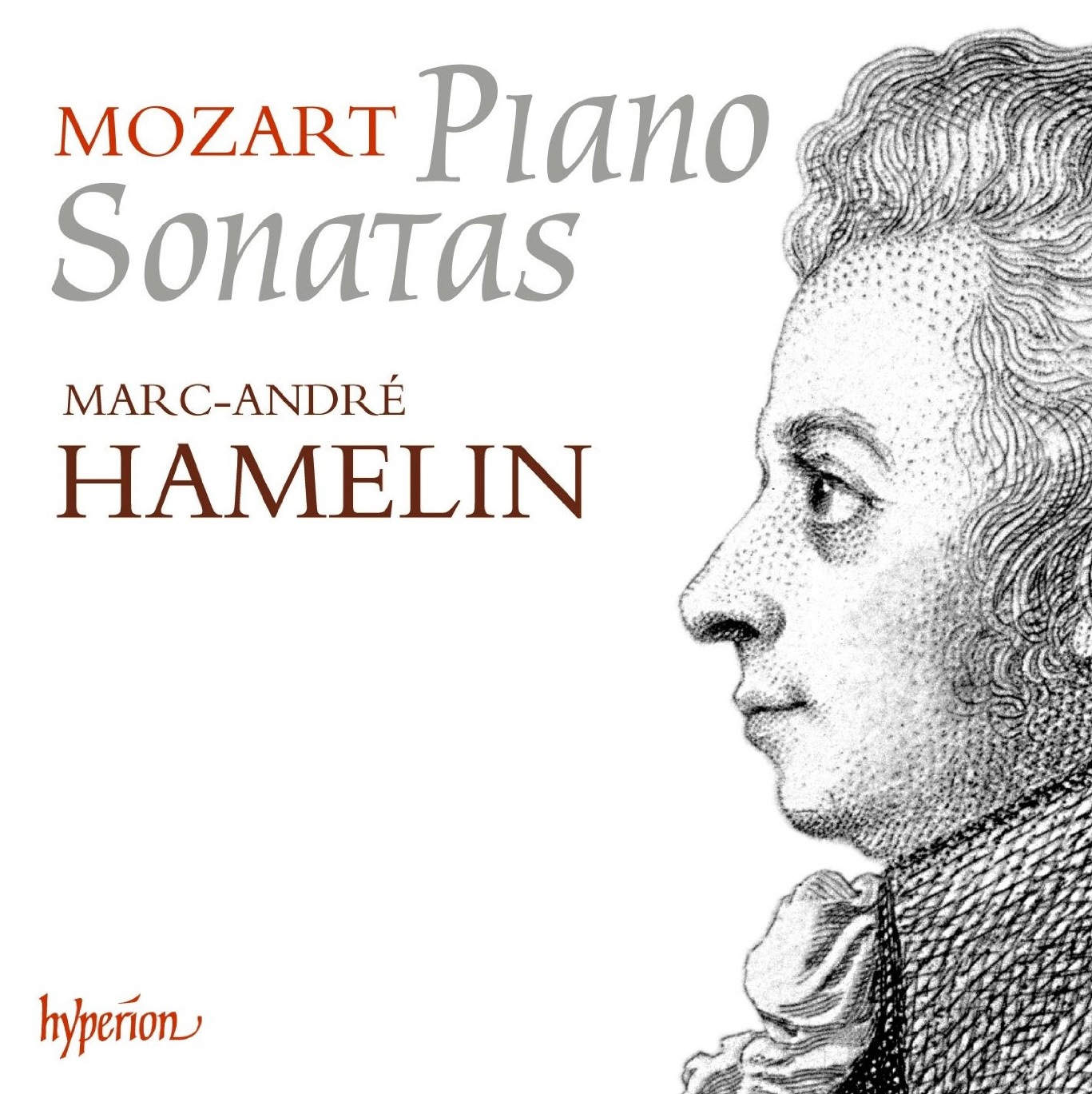
Wolfgang Amadeus Mozart (1756-1791) – Piano Sonatas – Marc-Andre Hamelin

LINK ATUALIZADO!!

De todos os cds que já ouvi com as sonatas para piano de Mozart provavelmente este aqui pode facilmente ser classificado o melhor gravado nesta década. Marc-Andre Hamelin está impecável, nos oferecendo um Mozart cheio de vida e de emoção.
Eis o texto de apresentação deste CD duplo tirado do próprio site da Hyperion:

Eight of Mozart’s divinely inspired Piano Sonatas here receive performances of mercurial inspiration from consummate-musician cum virtuoso-wizard Marc-André Hamelin. His four Haydn albums have enthralled—this new Mozart will not disappoint. Two Rondos, a Fantasia, and a decidedly quirky Gigue complete a delight of a double album.”

Para se ouvir com calma, concentração, e silêncio.

CD 1
01 Mozart Piano Sonata in D major, K576 – 1 Allegro
02 Mozart Piano Sonata in D major, K576 – 2 Adagio
03 Mozart Piano Sonata in D major, K576 – 3 Allegretto
04 Mozart Piano Sonata in G major, K283 – 1 Allegro
05 Mozart Piano Sonata in G major, K283 – 2 Andante
06 Mozart Piano Sonata in G major, K283 – 3 Presto
07 Mozart Piano Sonata in F major, K332 – 1 Allegro
08 Mozart Piano Sonata in F major, K332 – 2 Adagio
09 Mozart Piano Sonata in F major, K332 – 3 Allegro assai
10 Mozart Piano Sonata in B flat major, K570 – 1 Allegro
11 Mozart Piano Sonata in B flat major, K570 – 2 Adagio
12 Mozart Piano Sonata in B flat major, K570 – 3 Allegretto
13 Mozart Rondo in D major, K485
14 Mozart Gigue in G major, K574

CD 2

15 Mozart Piano Sonata in C major, K330 – 1 Allegro moderato
16 Mozart Piano Sonata in C major, K330 – 2 Andante cantabile
17 Mozart Piano Sonata in C major, K330 – 3 Allegretto
18 Mozart Piano Sonata in B flat major, K333 – 1 Allegro
19 Mozart Piano Sonata in B flat major, K333 – 2 Andante cantabile
20 Mozart Piano Sonata in B flat major, K333 – 3 Allegretto grazioso
21 Mozart Piano Sonata in C major, K545 – 1 Allegro
22 Mozart Piano Sonata in C major, K545 – 2 Andante
23 Mozart Piano Sonata in C major, K545 – 3 Rondo
24 Mozart Piano Sonata in E flat major, K282 – 1 Adagio
25 Mozart Piano Sonata in E flat major, K282 – 2 Menuetto I & II
26 Mozart Piano Sonata in E flat major, K282 – 3 Allegro
27 Mozart Rondo in A minor, K511
28 Mozart Fantasia in D minor, K397

Marc-Andre Hamelin – Piano

BAIXE AQUI – DOWNLOAD HERE

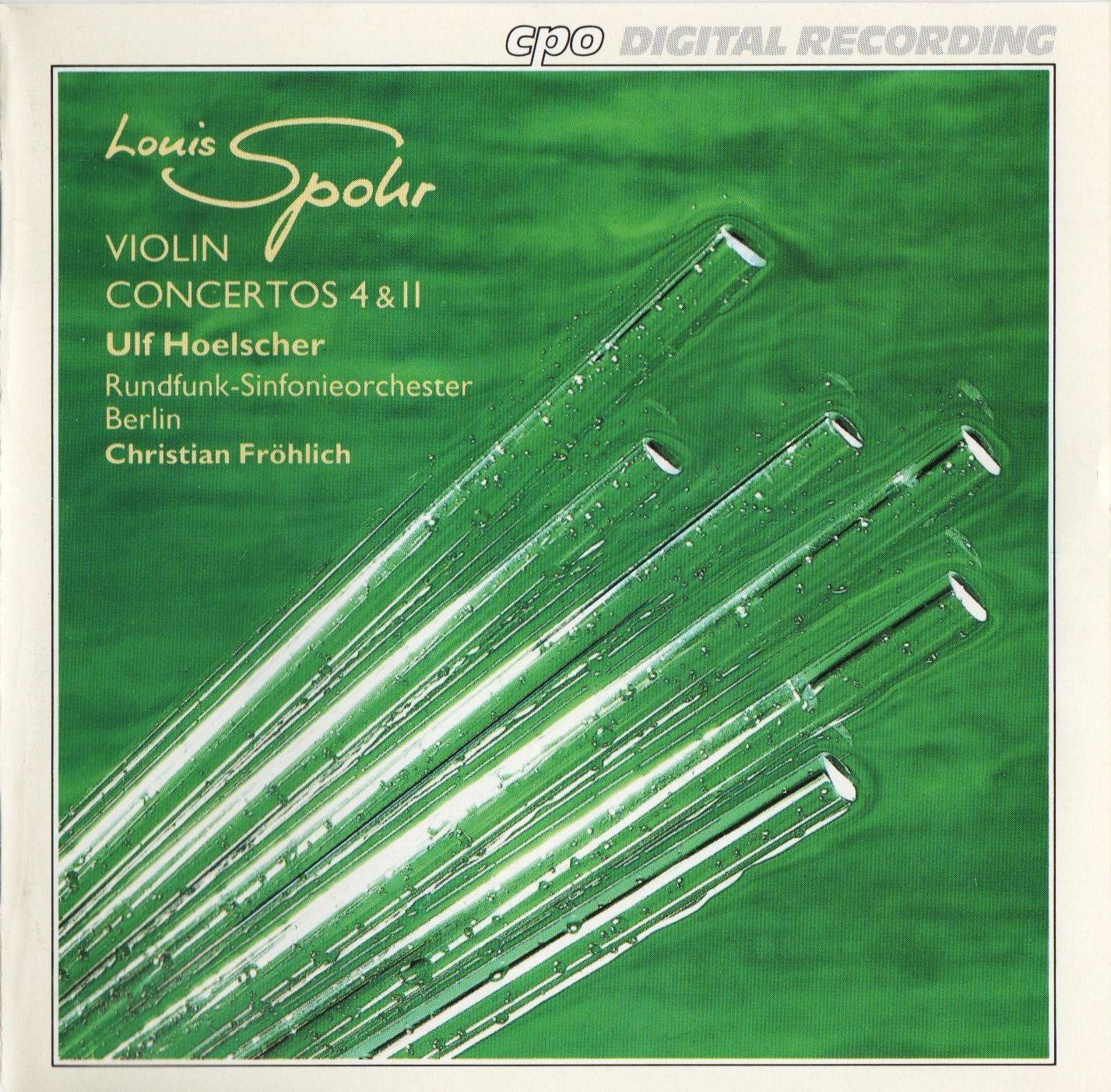
Louis Spohr (1784-1859) – Violin Concertos, nº 4 in B Minor, op. 10, nº 11 in G Major, op. 70 – Ulf Hoelscher, RISOB

frontCD ORIGINALMENTE POSTADO EM 2014. NOVO LINK !!!
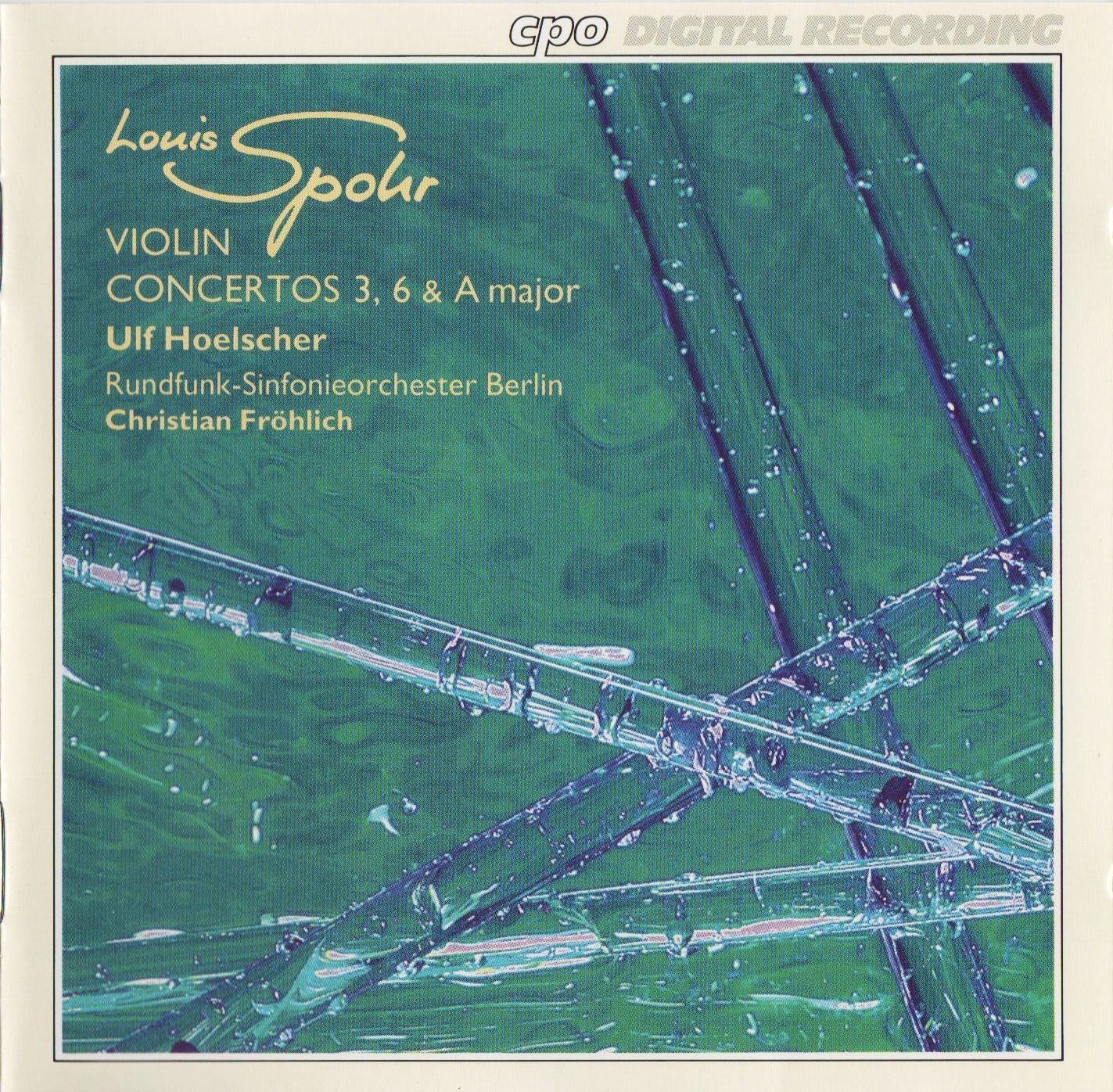
Assim como Hummel, Luis Spohr é outro compositor contemporâneo de Mozart, Haydn e Beethoven e que é injustamente esquecido nos dias atuais, apesar do esforço de algumas gravadoras de lançar cds com suas obras. Além disso, e assim como Hummel, que postei recentemente, Spohr era um também um virtuose, mas do violino, e rivalizava em sucesso com ninguém menos que Paganini. Além de ser um ás nos palcos, também produziu uma barbaridade, com dezoito concertos para violino, quatro para clarinete, entre muitos outros. O homem era uma máquina de compor.

Estou trazendo aqui dois concertos para violino, magnificamente interpretados por Ulf Hoelscher, músico até então desconhecido por mim. Mas o selo CPO por si só já é sinônimo de qualidade. Trarei outras obras deste compositor por este selo.  Espero que gostem.

01. Ulf Hoelscher – Violin Concerto No. 4, Op. 10 I. Allegro moderato
02. Ulf Hoelscher – Violin Concerto No. 4, Op. 10 II. Adagio
03. Ulf Hoelscher – Violin Concerto No. 4, Op. 10 III. Rondo Allegretto
04. Ulf Hoelscher – Violin Concerto No. 11, Op. 70 I. Adagio-Allegro vivace
05. Ulf Hoelscher – Violin Concerto No. 11, Op. 70 II. Adagio
06. Ulf Hoelscher – Violin Concerto No. 11, Op. 70 III. Rondo. Allegretto

Ulf Hoelscher – Violin
Rundfunk-Sinfonieorchester Berlin
Christian Fröhlich – Conductor

BAIXE AQUI – DOWNLOAD HERE

Louis Spohr (1784-1859) – Violin Concertos in A, Nos. 3 & 6 – Hoelscher, Fröhlich, RSOB

Vamos continuar nosso pacotaço de Louis Spohr? Mais dois concertos, booklet em anexo ao arquivo com todas as  informações biográficas que os senhores precisam.

Divirtam-se.

01. Violin Concerto in A major, WoO 12 I. Adagio Allegro
02. Violin Concerto in A major, WoO 12 II. Adagio
03. Violin Concerto in A major, WoO 12 III. Rondo
04. Violin Concerto No. 3, Op. 7 I. Adagio-Allegro
05. Violin Concerto No. 3, Op. 7 II. Siciliano, Andante
06. Violin Concerto No. 3, Op. 7 III. Rondo, Alla Polacca
07. Violin Concerto No. 6, Op. 28 I. Allegro
08. Violin Concerto No. 6, Op. 28 II. Recitativo. Andante-Allegro molto Allegro
09. Violin Concerto No. 6, Op. 28 III. Alla spagnuola. Tempo di Polacca

Ulf Hoelscher – Violin
Runddfunk-Sinfonieorchester Berlin
Christian Fröhlich – Conductor

BAIXE AQUI – DOWNLOAD HERE

Louis Spohr (1784-1854) – The Violin Concertos nº 2 & 5 – Ulf Hoelscher, Rundfunk Sinfonieorchester Berlin, Fröhlich

Trago hoje o segundo CD com a integral dos Concertos para Violino de Louis Spohr. Como comentei em postagem anterior, Spohr foi contemporâneo dos grandes compositores do início do século XIX, sendo amigo pessoal de vários deles, incluindo aí o próprio Ludwig, o Beethoven.

Espero que apreciem. O booklet com importantes informações sobre a vida e a obra de Spohr está anexado ao arquivo.

01. Violin Concerto No. 2, Op. 2 I. Allegro moderato
02. Violin Concerto No. 2, Op. 2 II. Adagio
03. Violin Concerto No. 2, Op. 2 III. Alla Polacca
04. Violin Concerto No. 5, Op. 17 I. Allegro moderato
05. Violin Concerto No. 5, Op. 17 II. Adagio ma non troppo
06. Violin Concerto No. 5, Op. 17 III. Rondo Allegretto

Ulf Hoelscher – Violin
Rundfunk-Sinfonieorchester Berlin
Christian Fröhlich – Conductor

BAIXE AQUI – DOWNLOAD HERE

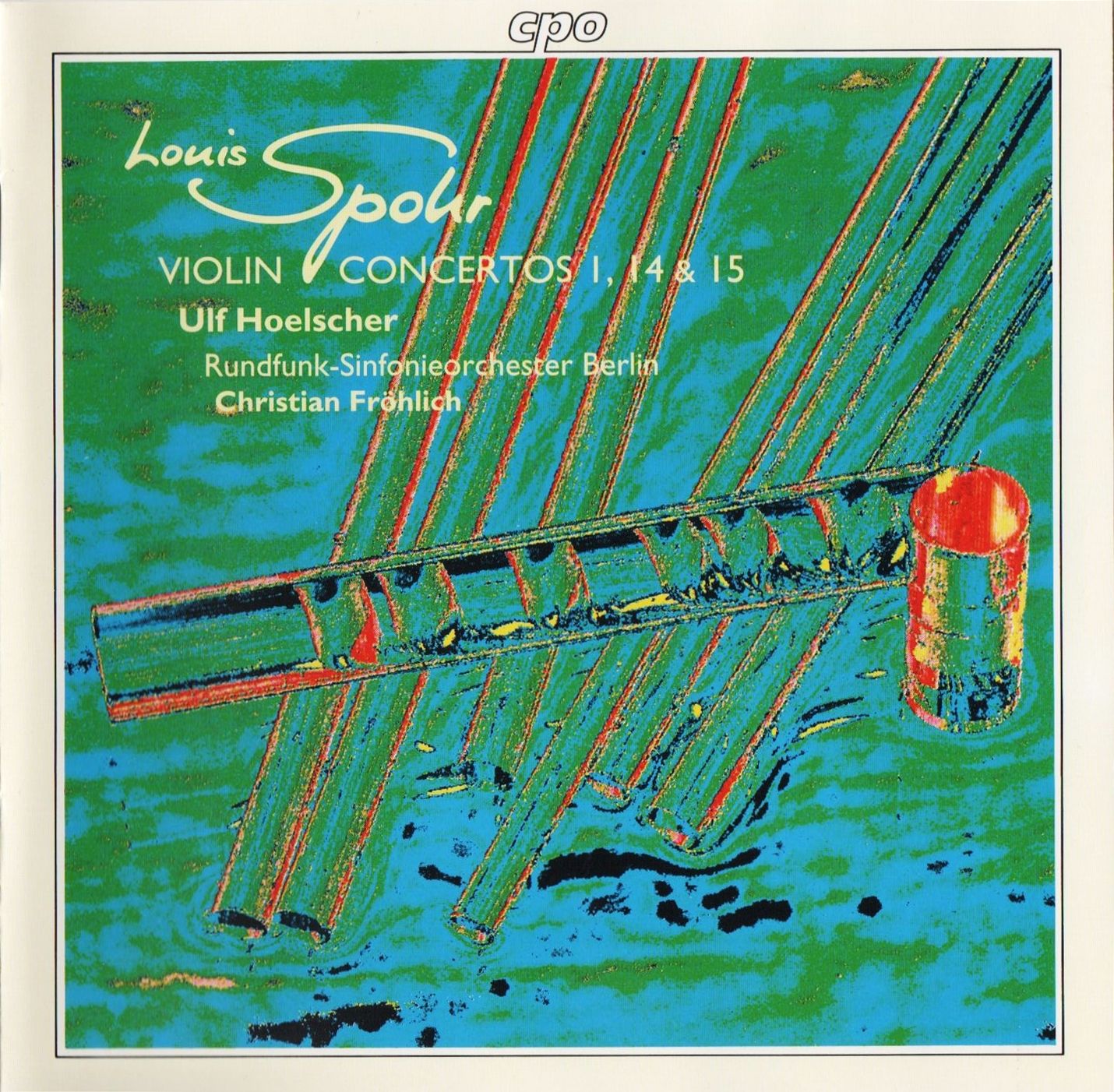
Louis Spohr (1784-1854) – The Violin Concertos nº 14, 15 & 1 – Ulf Hoelscher, Rundfunk Sinfonieorchester Berlin

Louis Spohr viveu em uma época de transição, foi contemporâneo de Beethoven, Mozart, Haydn, Schubert, Schumann, Mendelssohn, e a lista continua. Todos o admiravam, e além disso foi um dos maiores violinistas de seu tempo, rivalizando com Paganini. E também lecionou durante toda a sua vida, formando dezenas, quiçá centenas de novos músicos. Ele já apareceu aqui no PQPBach algumas vezes. Sendo contemporâneo de todos estes mestres acima relacionados, deve até ter sido meio difícil de se destacar, talvez por isso seguiu a carreira de professor, mas volto a destacar que era muito admirado por todos, seja como compositor, enquanto solista ou professor.
O excelente selo alemão CPO contratou o violinista Ulf Hoelscher para gravar seus concertos para violino. São obras curiosas, destacando sempre mais a parte técnica, que oferecem diversas armadilhas para os solistas.
Neste primeiro CD que ora vos trago temos três concertos, os de nº 14, 15 e o de nº 1. Espero que apreciem, pois serão ao todo sete cds, somando quinze concertos, e algumas peças avulsas.

P.S. Segue anexo ao arquivo excelente booklet que traz maiores informações sobre o compositor e seu tempo. Vale conferir.

01. Violin Concerto No. 14, Op. 110
02. Violin Concerto No. 15, Op. 128 I. Allegro
03. Violin Concerto No. 15, Op. 128 II. Larghetto
04. Violin Concerto No. 15, Op. 128 III. Rondo grazioso
05. Violin Concerto No. 1, Op. 1 I. Allegro vivace
06. Violin Concerto No. 1, Op. 1 II. Siciliano
07. Violin Concerto No. 1, Op. 1 III. Polonaise

Ulf Hoelscher – Violin
Rundfunk-Sinfonieorchester Berlin
Christian Fröhlich – Conductor

BAIXE AQUI – DOWNLOAD HERE

Pyotr Ilyich Tchaikovsky (1840-1893) – Incidental Music to the play by Ostrovsky, ‘The Snow Maiden (Snegurochka)

frontThe Snow Maiden

The Russian playwright Alexander Ostrovsky, born in Moscow in 1823, is generally considered the most important figure in the Russian theatrical tradition between Gogol and Chekhov.. He studied Law at University but was forced to give up the course after a disagreement with one of the Professors, and started his career as a legal clerk, a job which gave him insights into the social interaction of the Russian merchant class and civil service; these he made use of in his first comedies. Later he turned to more serious drama, for example the tragedy Groza (1859) portraying the predicament of the young wife of a despotic merchant.
Though some of his works were initially banned by the authorities, he prospered under the more liberal reign of Alexander II and enjoyed the patronage of Alexander III. In addition to his literary work he became an important administrator of the Russian stage. He became the director of the famous Maly Theatre in Moscow; interested in music, he also founded the Society of Russian Dramatic Art and Opera Composers. Ostrovsky’s Snegoruchka – Vesennyaya Skazka (The Snow Maiden – a Spring Fairy Tale), to give it its full title, stands rather apart from his more realistic works. The Maly Theatre was closed for renovation in early 1873 and its dramatic troupe had to work at the neighbouring Bolshoi Theatre, which housed the opera and ballet companies. The Bolshoi management put it to Ostrovsky that he should create a spectacle involving all three arts – acting, dancing and music. The Snow Maiden was the result, and in it he drew upon a wide range of Russian folk-tales to create a sparkling mythic synthesis. For the first production, which took place on 11 May 1873, an important score of incidental music was commissioned from the 32-year-old Tchaikovsky, who was still in the process of establishing his reputation as a composer. Although he was teaching 27 hours a week at the Moscow Conservatoire, it took him just three weeks to write the music, which he composed as soon as he received each fresh batch of text from Ostrovsky, completing it in early April.
In the event it turned out to be Tchaikovsky’s contribution, more than Ostrovsky’s, which impressed the play’s first audiences. The gorgeous production was mounted at a cost of 15,000 roubles, but was judged tobe rather static, without much dramatic action. The Snow Maiden had four performances in the spring season of 1873, and four more in the winter season of 1873–4. After one further performance, however, it disappeared from the repertoire, probably because of the expense of using all three performing companies.
Tchaikovsky’s friend and mentor Nikolai Rubinstein, who admired the score, conducted it in concert, and it has occasionally been revived without Ostrovsky’s play. Tchaikovsky himself had great affection for this music. For some years after the production he planned to expand the incidental music into an opera, and he was highly incensed when he found that Rimsky-Korsakov had written an opera of his own on Ostrovsky’s play. He wrote to his brother Modest ‘… it’s as though they’ve taken from me by force something that is innately mine and dear to me, and are presenting it to the public in bright new clothes. It makes me want to weep!’ Much later, in 1891, he would re-use some of the music of The Snow Maiden in his incidental music to Shakespeare’s Hamlet.
The story of The Snow Maiden, which has some similarities to that of Hans Christian Andersen’s ‘The Little Mermaid’, deals with the opposition of eternal forces of nature and involves the interactions of mythological characters (Frost, Spring, the Wood-Sprite), real people (Kupava, Mizgir, Brussila), and those in-between beings who are half-mythical, half-real (the Snow Maiden, Lel the Shepherd, and Tsar Berendey). The Snow Maiden can only live if her heart remains cold, unwarmed by love. But wishing to  experience a life like other girls, she enters the world of human beings and innocently ruins a wedding when the bridegroom sees her and falls in love with her. Accused by the bride, of seducing her intended husband, the Snow Maiden is brought before the Tsar, Berendey, for judgement, and she decrees that she must marry the man – with whom she has meantime fallen in love. But love’s warmth has made her vulnerable to the rays of the Sun God, and when exposed to them she melts away to nothing.
Tchaikovsky composed a large quantity of music to accompany Ostrovsky’s play. Much of it is vocal and choral, including songs for Lel and the peasant Brusilo, and a monologue for Frost. The choral contributions include such attractive inspirations as the chorus of shivering birds, the chorus of flowers, and the choral carnival procession, a picture of Russian peasant life. All the dances are attractive and in fact give a hint of the great ballet composer Tchaikovsky would soon become. In composing this score for a play based on Russian fairytale, Tchaikovsky made more lavish use of Russian folksongs than in any previous work there are about a dozen of them, which he placed  in colourful settings. The Introduction, however, is borrowed from his earlier, unsuccessful opera Undine, which also provided the material for Lel’s first song.
In a letter of 1879 to his patroness Nadezhda von Meck, Tchaikovsky wrote that The Snow Maiden was ‘one of my favourite offspring. Spring is a wonderful time; I was in good spirits, as I always am at the approach of summer and three months of freedom. I think this music is imbued with the joys of spring that I was experiencing at the time’.

Malcolm MacDonald, 2010

01. Incidental Music to the play by Ostrovsky, ‘The Snow Maiden (Snegurochka)’ – I. Introduction
02. Incidental Music to the play by Ostrovsky, ‘The Snow Maiden (Snegurochka)’ – II. Dance & Choruses Of The Birds
03. Incidental Music to the play by Ostrovsky, ‘The Snow Maiden (Snegurochka)’ – III. Winter’s Monologue
04. Incidental Music to the play by Ostrovsky, ‘The Snow Maiden (Snegurochka)’ – IV. Carnival Procession
05. Incidental Music to the play by Ostrovsky, ‘The Snow Maiden (Snegurochka)’ – V. Melodrama
06. Incidental Music to the play by Ostrovsky, ‘The Snow Maiden (Snegurochka)’ – VI. Interlude
07. Incidental Music to the play by Ostrovsky, ‘The Snow Maiden (Snegurochka)’ – VII. Lehl’s First Song
08. Incidental Music to the play by Ostrovsky, ‘The Snow Maiden (Snegurochka)’ – VIII. Lehl’s Second Song
09. Incidental Music to the play by Ostrovsky, ‘The Snow Maiden (Snegurochka)’ – IX. Interlude
10. Incidental Music to the play by Ostrovsky, ‘The Snow Maiden (Snegurochka)’ – X. Chant Of The Blind Bards
11. Incidental Music to the play by Ostrovsky, ‘The Snow Maiden (Snegurochka)’ – XI. Melodrama
12. Incidental Music to the play by Ostrovsky, ‘The Snow Maiden (Snegurochka)’ – XII. Chorus Of The People And Courtiers
13. Incidental Music to the play by Ostrovsky, ‘The Snow Maiden (Snegurochka)’ – XIII. Round Of The Young Maidens
14. Incidental Music to the play by Ostrovsky, ‘The Snow Maiden (Snegurochka)’ – XIV. Dance Of The Tumblers
15. Incidental Music to the play by Ostrovsky, ‘The Snow Maiden (Snegurochka)’ – XV. Lehl’s Third Song
16. Incidental Music to the play by Ostrovsky, ‘The Snow Maiden (Snegurochka)’ – XVI. Brussila’s Song
17. Incidental Music to the play by Ostrovsky, ‘The Snow Maiden (Snegurochka)’ – XVII. Apparition Of The Spirit Of The Wood
18. Incidental Music to the play by Ostrovsky, ‘The Snow Maiden (Snegurochka)’ – XVIII. Interlude. The Spring Fairy
19. Incidental Music to the play by Ostrovsky, ‘The Snow Maiden (Snegurochka)’ – XIX. Tsar Berendey’s March & Chorus
20. Incidental Music to the play by Ostrovsky, ‘The Snow Maiden (Snegurochka)’ – XX. Final Chorus

Natalia Erassova – Mezzo-Soprano
Alexander Archipov – Tenor
Nikolai Vassiliev – Baritone
Russian State Chorus & Orchestra
Andrei Chistiakov – Conductor

BAIXE AQUI – DOWNLOAD HERE

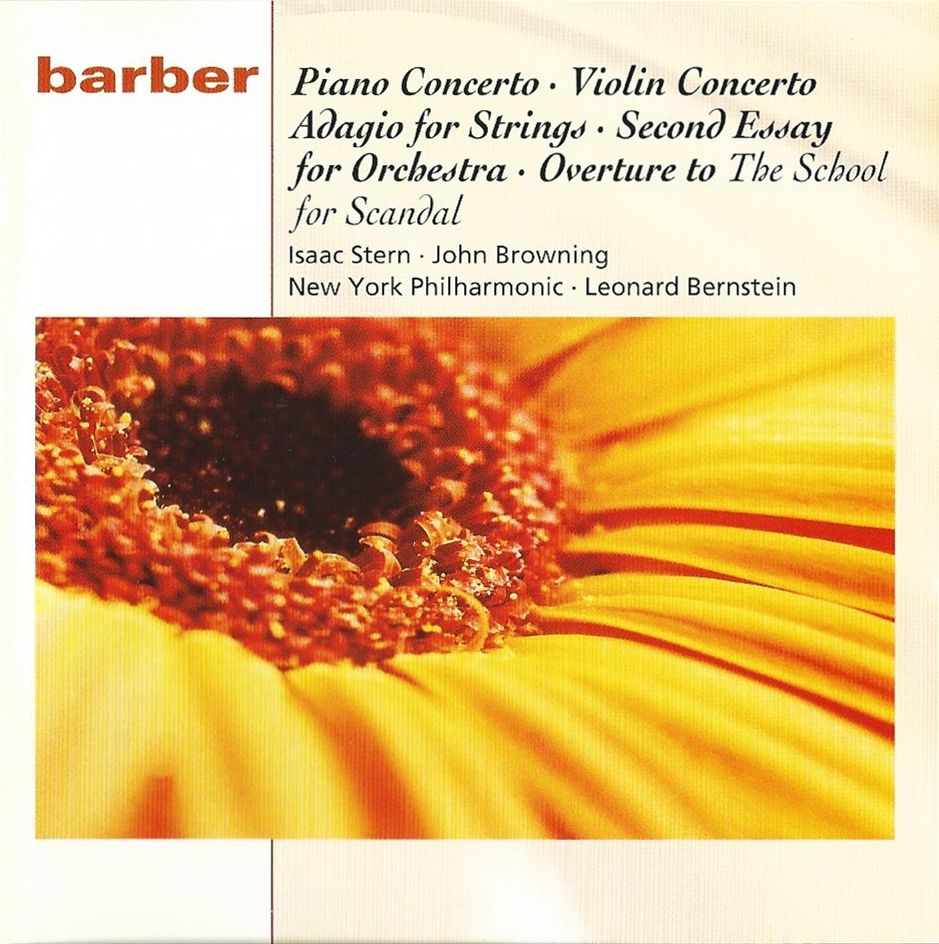
Samuel Barber (1910-1981) – Violin Concerto, Op. 14, Piano Concerto, Op. 38, Adagio for strings (or string quartet; arr. from 2nd mvt. of String Quartet), Second Essay, for orchestra, Op. 17, The School for Scandal, overture for orchestra, Op. 5 – Stern, Browning, Bernstein, Ormandy, etc

frontAndo meio sem tempo e com falta de inspiração, então minhas postagens tem saído truncadas, não dou continuidade a integrais, ando bem relaxado para dizer a verdade. Tem dias que nem ligo o computador.
Sei lá se isso vai continuar acontecendo, ou se de repente me sento em frente ao computador e preparo postagens para os próximos dez dias. Antes botava a culpa na internet sem vergonha que recebia em casa. Hoje não posso mais alegar isso. Posso dizer que tenho uma fórmula 1 de internet, comparando com antigos padrões.
Mas chega de blá-blá-blá … hoje tirei o dia para emocioná-los e creio que os senhores irão se emocionar bastante. Preparem seus lenços, os mais sensíveis irão derrubar lágrimas. e só temos feras aqui tocando o maravilhoso Concerto para Violino de Barber, com Isaac Stern ao lado de Leonard Bernstein nos áureos tempos da Filarmônica de New York.  Ouçam que coisa mais linda o primeiro movimento, é emocionante, delicado, sensível. Sem falar do Adagio para Cordas, com o Eugene Ormandy e sua Orquestra da Filadélfia absolutamente inspirados.
Sugiro um bom vinho e uma boa poltrona para melhor apreciarem essa belezura de CD.

01. Violin Concerto, Op. 14- 1. Allegro
02. Violin Concerto, Op. 14- 2. Andante
03. Violin Concerto, Op. 14- 3. Presto in moto perpetuo

Isaac Stern – Violin
New York Philharmonic
Leonard Bernstein – Conductor

04. Piano Concerto, Op. 38- 1. Allegro appassionato
05. Piano Concerto, Op. 38- 2. Canzone- Moderato
06. Piano Concerto, Op. 38- 3. Allegro molto

Johnn Browning – Piano
Cleveland Orchestra
George Szell – Conductor

07. Adagio for strings (or string quartet; arr. from 2nd mvt. of String Quartet)

Philhadelphia Orchestra
Eugene Ormandy – Conductor

08. Second Essay, for orchestra, Op. 17
09. The School for Scandal, overture for orchestra, Op. 5

New York Philharmonic Orchestra
Thomas Schippers – Conductor

BAIXE AQUI – DOWNLOAD HERE

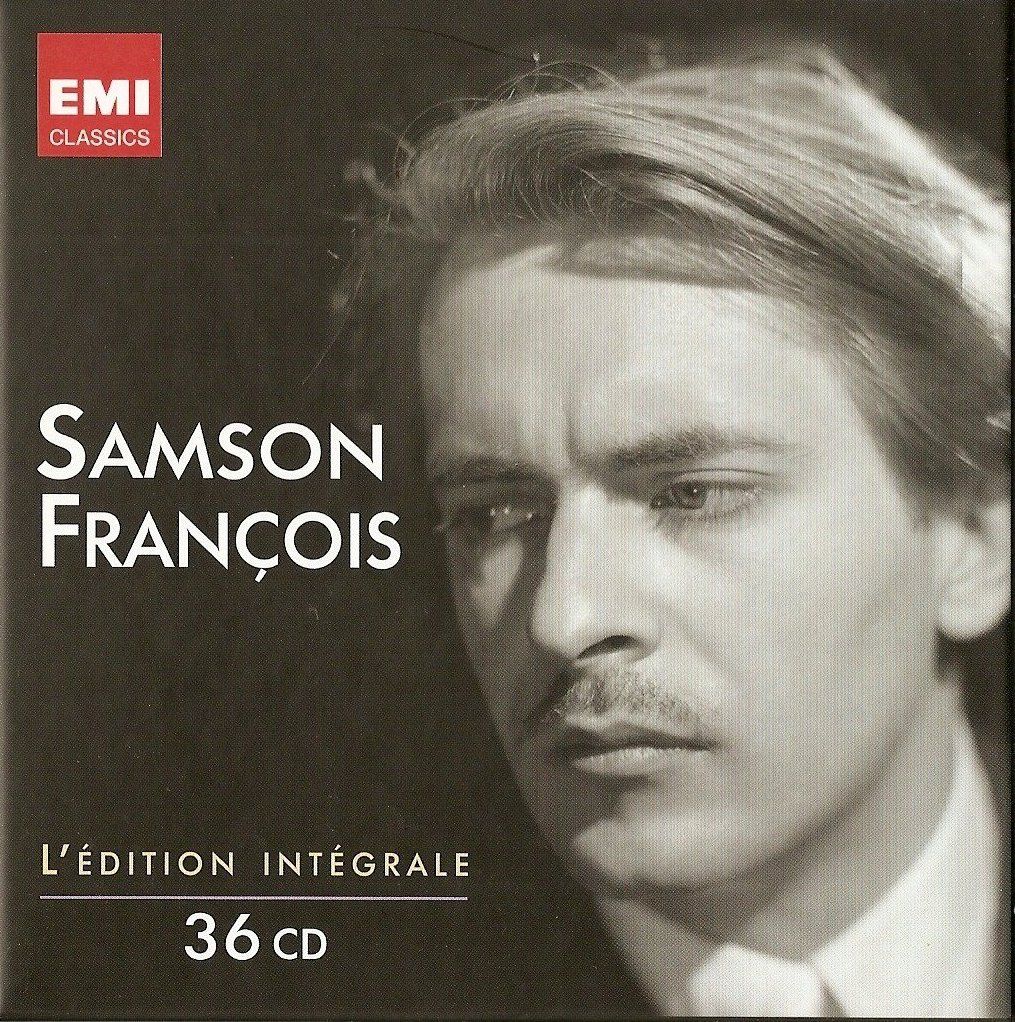
Fréderic Chopin – Piano Sonata nº2 en si bémol, op. 35, 14 Valses – Samson François

Box FrontVamos embarcar no túnel do tempo até 1956, e depois 1958, em Paris. Nestes anos o grande pianista francês Samson François lançou estas duas gravações históricas, a Sonata nº 2, em 1956, e a de 14 valsas, em 1958. Li a referência a estas gravações em algum lugar na Internet,  e como já tinha há algum tempo a integral de François pela EMI francesa, fui ouvir com atenção.

Como comentei acima, estas gravações foram realizadas há sessenta anos, então não podemos esperar uma grande qualidade no som, mas em compensação a qualidade da interpretação é insuperável. Ouvindo a atual geração de pianistas franceses, como Hélene Grimaud e até mesmo Alexander Tharaud, podemos entender o nível a que estes excepcionais músicos chegaram: sempre apoiados nos ombros de gigantes  como Samson François.

Mas vamos ao que viemos, e vamos ouvir com atenção um dos maiores pianistas do século XX, Samson François. Posso estar enganado, mas creio que esta seja a primeira vez que este músico aparece por aqui.

01. Samson Francois – Sonate No.2 – 1. Grave – Doppio movimento
02. Samson Francois – Sonate No.2 – 2. Scherzo
03. Samson Francois – Sonate No.2 – 3. Marche funebre
04. Samson Francois – Sonate No.2 – 4. Finale (presto)
05. Samson Francois – 14 Valses – No.1 Op.18 Grande Valse brilliante
06. Samson Francois – 14 Valses – No.2  Op.34 No.1 Valse brilliante
07. Samson Francois – 14 Valses – No.3 Op.34 No.2
08. Samson Francois – 14 Valses – No.4 Op.34 No.3 Valse brilliante
09. Samson Francois – 14 Valses – No.5 Grande valse Op.42
10. Samson Francois – 14 Valses – No.6 Op.64 No.1
11. Samson Francois – 14 Valses – No.7 Op.64 No.2
12. Samson Francois – 14 Valses – No.8 Op.64 No.3
13. Samson Francois – 14 Valses – No.9 Op.69 No.1
14. Samson Francois – 14 Valses – No.10 Op.69 No.2
15. Samson Francois – 14 Valses – No.11 Op.70 No.1
16. Samson Francois – 14 Valses – No.12 Op.70 No.2
17. Samson Francois – 14 Valses – No.13 Op.70 No.3
18. Samson Francois – 14 Valses – No.14 Op. posth

Samson François – Piano

BAIXE AQUI – DOWNLOAD HERE

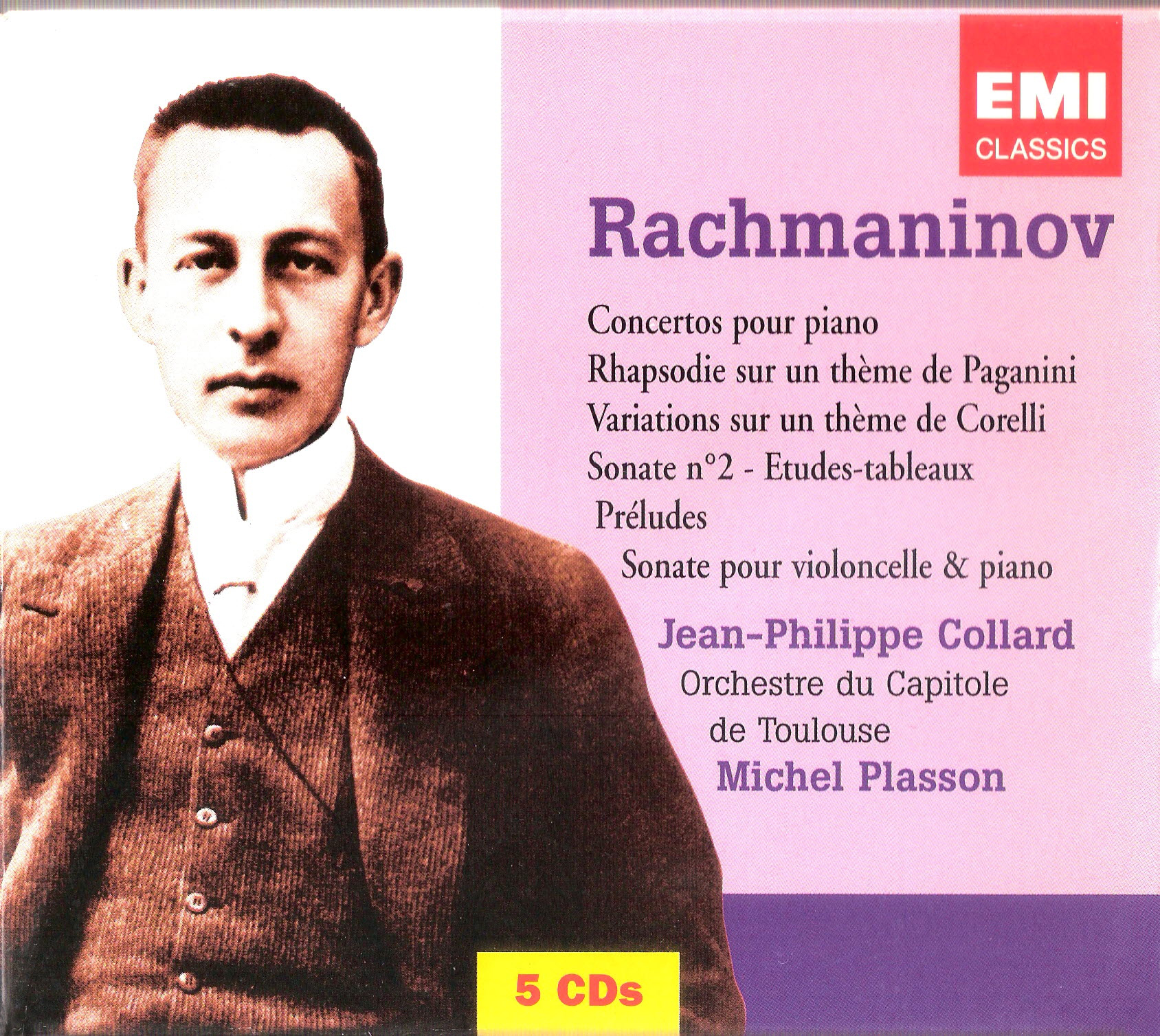
Sergey Vasil’yevich Rachmaninov (1873 – 1943) – Piano Concertos – Jean – Phillip Collard, Orchestre du Capitole de Toulouse, Michel Plasson

Box Front 51JmAZhEEILVamos dar um tempo com  a série de Tchaikovsky mas continuamos com os russos,  para trazer uma bela mostra da obra pianística de Sergey Rchmaninov, desta vez nas mãos de franceses, exclusivamente.
Dentre todas as versões que já tive a oportunidade de ouvir destes concertos, esta gravação de Jean – Phillip Collard é a mais lírica, mais apaixonada. Mesmo nas partes mais difíceis, ele não se preocupa muito com a parte mais virtuosística da obra, mas em explorar a parte melódica, nas nuances, nos trazendo um Rachmaninov mais ‘apaixonado’, se podemos dizer assim.

Espero que apreciem. Eu gostei muito.

CD 1

01. Concerto Nº 1 En Fa Diese Mineur in G Sharp Minor I) Vivace
02. Concerto Nº 1 En Fa Diese Mineur in G Sharp Minor II) Andante
03. Concerto Nº 1 En Fa Diese Mineur in G Sharp Minor III) Allegro Vivace
04. Concerto Nº 2 En Ut Mineur in C Minor I) Moderato
05. Concerto Nº 2 En Ut Mineur in C Minor II) Adagio Sostenuto
06. Concerto Nº 2 En Ut Mineur in C Minor III) Allegro Scherzando

BAIXE AQUI – DOWNLOAD HERE

CD 2

01. Concerto Nº 3 En Re Mineur in D Minor I) Allegro Ma Non Tanto
02. Concerto Nº 3 En Re Mineur in D Minor II) Intermezzo
03. Concerto Nº 3 En Re Mineur in D Minor III) Finale Alla Breve
04. Concerto Nº 4 En Sol Mineur in G Minor I) Allegro Vivace
05. Concerto Nº 4 En Sol Mineur in G Minor II) Largo
06. Concerto Nº4 En Sol Mineur in G Minor III) Allegro Vivace

Jean-Philippe Collard
Orchestre du Capitole de Toulouse
Michel Plasson

BAIXE AQUI – DOWNLOAD HERE

CD 3

01. Rhapsodie sur un theme de Paganini-Op.43

Jean-Philippe Collard – Piano
Orchestre du Capitole de Toulouse
Michel Plasson – Conductor

02. Variations sur un theme de Corelli – Op.42
03. Sonate piano no 2 si b maj – Op.36 – 1913 – Allegro-Agitato
04. Sonate piano no 2 si b maj – Op.36 – 1913 – Non allegro
05. Sonate piano no 2 si b maj – Op.36 – 1913 – Allegro molto

Jean-Philippe Collard – Piano

BAIXE AQUI – DOWNLOAD HERE

CD 4

01. Etudes Tableaux, Op.33, No.1 en fa mineur
02. Etudes Tableaux, Op.33, No.2 en ut majeur
03. Etudes Tableaux, Op.33, No.3 en ut mineur
04. Etudes Tableaux, Op.33, No.4 en re mineur
05. Etudes Tableaux, Op.33, No.5 en mi bemol mineur
06. Etudes Tableaux, Op.33, No.6 en mi bemol majeur
07. Etudes Tableaux, Op.33, No.7 en sol mineur
08. Etudes Tableaux, Op.33, No.8 en ut diese mineur
09. Etudes Tableaux, Op.39, No.1 en ut mineur
10. Etudes Tableaux, Op.39, No.2 en la mineur
11. Etudes Tableaux, Op.39, No.3 en fa diese mineur
12. Etudes Tableaux, Op.39, No.4 en si mineur
13. Etudes Tableaux, Op.39, No.5 en mi bemol mineur
14. Etudes Tableaux, Op.39, No.6 en la mineur
15. Etudes Tableaux, Op.39, No.7 en ut mineur
16. Etudes Tableaux, Op.39, No.8 en re mineur
17. Etudes Tableaux, Op.39, No.9 en re majeur

Jean-Philippe Collard – Piano

BAIXE AQUI – DOWNLOAD HERE

CD 5

01. – Prelude en ut diese mineur op3 No.2
02. – Moment musical en si mineur op16 No.3
03. – Prelude en fa diese mineur op23 No.1
04. – Prelude en si bemol majeur op23 No.2
05. – Prelude en re majeur op23 No.4
06. – Prelude en sol diese mineur op32 No.12
07. – Sonate pour violoncelle et piano – 1 Lento – Allegro moderato
08. – Sonate pour violoncelle et piano – 2 Allegro scherzando
09. – Sonate pour violoncelle et piano – 3 Andante
10. – Sonate pour violoncelle et piano – 4 Allegro mosso

Gary Hoffman – Cello
Jean-Philippe Collard – Piano

BAIXE AQUI – DOWNLOAD HERE

Pyotr Ilyich Tchaikovsky (1840-1893) – Incidental Music for Soprano, Baritone & Orchestra, ‘Hamlet’, Op.67a, Tone Poem for Orchestra, ‘Fatum’, Op.posth.77

frontHamlet – Incidental Music Op.67a for soloists and orchestra, excerpts (1891)

This score was written in two weeks for a French-language benefit production of Shakespeare’s five-act tragedy at the Mikhailovski Theatre, Petersburg 9/21 February 1891. Undertaken at the request of, and as a favour to, Tchaikovsky’s friend Lucien Guitry (in the title role for would be his last appearance on the Russian stage), the music re-cycled certain old material, including the Hamlet overture-fantasia (Overture), the alla tedesca second movement of the Third Symphony (CD8, track 5), Kupava’s Lament from The Snow Maiden and the 1884 ‘Samarin’ Elegy for strings (9). Tchaikovsky had long been drawn to the story, his brother Modest having proposed it to him in 1876. ‘Hamlet is very much to my taste, but it’s devilishly difficult’. Despite being ‘well received’, the incidental music seems nevertheless to have been a chore. ‘Hamlet is coming along. But it is such unpleasant work’. Gauk’s performance cuts three of the sixteen numbers:
1 III/ii Fanfares 1 (‘Sound a flourish’) 2 (‘The dumb show enters’), Melodrama (Poison Scene enactment); IV/v Ophelia’s Second Scene (‘And will he not come again?’); (12) V Entr’acte (Churchyard). Overture (Hamlet Op 67, abbreviated); 1 Act I/i Melodrama (Elsinore. A platform before the Castle. Enter Ghost); 2 I/iv Fanfare (‘A Flourish of Trumpets’); 3 I/iv Melodrama (Enter Ghost. Hamlet, Prince of Denmark: ‘Angels and ministers of grace defend us!’); 4 I/v Melodrama (The Castle. Another part of the fortifications. Enter Ghost and Hamlet. ‘I am thy father’s  Spirit,/Doom’d for a certain term to walk the night,/And for the day confin’d to fast in fires,/Till the foul crimes done in my days of nature/Are burnt and purg’d away’); 5 Act II Entracte, prelude to Scene i (A room in the house of Polonius [Lord Chamberlain]. Enter Ophelia [daugher to Polonius]); 6 II/ii Fanfare (A room in the Castle. Flourish. Enter King and Queen, Rosencrantz and Guildenstern, [Attendants]); 7 Act III Entracte, prelude to Scene i (Enter King, Queen, Polonius, Ophelia, Rosencrantz, Guildenstern [two courtiers], and Lords); 9 Act IV Entr-acte, prelude to Scene i (Enter King and Queen, with Rosencrantz and Guildenstern); 10 IV/v Ophelia’s ‘Mad Scene’ [soprano] (‘He is dead and gone, lady,/He is dead and gone;/At his head a grass-green turf,/At his heels a stone’); 13 Act V/i Gravedigger’s [Clown’s] Song [baritone] (Elsinore. A churchyard. ‘In youth when I did love, did love,/Methought it was very sweet;/To contract, O, the time for, ah, my behove,/O, methought there was nothing meet.); 14 V/i Funeral March (Enter [priests with ‘the fair’ Ophelia’s] coffin, King, Queen, Laertes [son to Polonius], with Lords attendant); 15 V/ii Fanfare (A hall in the Castle. ‘Drum; trumpets sound’); 16 V/ii Final March (‘Let four captains/Bear Hamlet like a soldier to the stage;/For he was likely, had he been put on,/To have prov’d most royally; and for his passage/The soldiers’ music and the rites of war/Speak loudly for him’).

01. Incidental Music for Soprano, Baritone & Orchestra, ‘Hamlet’, Op.67a – I. Overture
02. Incidental Music for Soprano, Baritone & Orchestra, ‘Hamlet’, Op.67a – II. Moderato assai
03. Incidental Music for Soprano, Baritone & Orchestra, ‘Hamlet’, Op.67a – III. Allegro vivo
04. Incidental Music for Soprano, Baritone & Orchestra, ‘Hamlet’, Op.67a – IV. Moderato assai
05. Incidental Music for Soprano, Baritone & Orchestra, ‘Hamlet’, Op.67a – V. Allegro giusto ed agitato
06. Incidental Music for Soprano, Baritone & Orchestra, ‘Hamlet’, Op.67a – VI. Allegro semplice
07. Incidental Music for Soprano, Baritone & Orchestra, ‘Hamlet’, Op.67a – VII. Fanfare
08. Incidental Music for Soprano, Baritone & Orchestra, ‘Hamlet’, Op.67a – VIII. Andante quasi allegretto
09. Incidental Music for Soprano, Baritone & Orchestra, ‘Hamlet’, Op.67a – IX. Andante non troppo
10. Incidental Music for Soprano, Baritone & Orchestra, ‘Hamlet’, Op.67a – X. Andantino ‘Elsinore’, Mad Scene
11. Incidental Music for Soprano, Baritone & Orchestra, ‘Hamlet’, Op.67a – XI. Andantino
12. Incidental Music for Soprano, Baritone & Orchestra, ‘Hamlet’, Op.67a – XII. Marcia. Moderato assai
13. Incidental Music for Soprano, Baritone & Orchestra, ‘Hamlet’, Op.67a – XIII. Allegro giusto
14. Incidental Music for Soprano, Baritone & Orchestra, ‘Hamlet’, Op.67a – XIV. Allegro risoluto ma non troppo

USSR State Radio & TV Symphony Orchestra
Alexander Gauk

15. Tone Poem for Orchestra, ‘Fatum’, Op.posth.77

Grand Symphony Orchestra
Alexander Gauk

BAIXE AQUI – DOWNLOAD HERE

Pyotr Ilyich Tchaikovsky (1840-1893) – Symphony in B minor after Lord Byron, ‘Manfred’, Op.58, Fantasy Overture after W. Shakespeare, ‘Romeo & Juliet’

frontManfred – Symphony in four scenes after Byron Op.58 (1885)

Dedicated to Balakirev and premiered in Moscow by Max Erdmannsdörfer at a Russian Musical Society concert in memory of Nikolai Rubinstein, 11/23 March 1886, Manfred was Tchaikovsky’s programme epic. The spirit, if not always incident, of Byron’s Faustian poem of 1816–17 inspired it. Berlioz’s Symphonie fantastique and Harold in Italy, Liszt’s Faust and Dante, cyclic motto and idée fixe, Influenced it. The notion of such a work, to the point of mapping out a dramatic, key and orchestration plan, was Balakirev’s; he got the idea from the critic Vladimir Stasov around 1867–68, fired by Berlioz’s second visit to Russia. Tchaikovsky wasn’t enthusiastic. ‘A design to imitate Berlioz […] at the moment it leaves me absolutely cold, and when imagination and the heart are unwarmed, it is hardly worth trying to compose. To please you I could, to use your expression, exert myself to screw out a whole series of more or less interesting episodes, including conventionally gloomy music to indicate Manfred’s hopeless disillusionment, lots of effective spangles of instrumentation for the “Alpine fairy” scherzo, high violins for sunrise, pianissimo trombones for Manfred’s death. I would be able to furnish these episodes with harmonic curiosities and piquances, and then send them out into the world under the high-flowing title Manfred: Symphonie d’aprés, etc. I might even receive praise for the fruits of my labours, but such writing doesn’t attract me in the least’ (12/24 November 1882). Once committed, he was in two minds about the result. ‘I may be wrong but it seems to me to be the best of my compositions’ (1885). ‘This production is abomidable. With the exception of the first movement, I deeply loathe it’ (1888).
Each movement is prefaced by a scenario.

I. B minor/D major ‘Manfred wanders in the Alps. Tormented by the fatal anguish of doubt, torn by remorse and despair, his soul is the prey of sufferings without name. Neither the occult sciences, whose mysteries he has fathomed, and by means of which the powers of darkness are subject to his will, nor anything in the world can bring to him the forgetfulness which alone he covets. The memory of the
beautiful Astarte [Milton’s ‘queen of heaven, with crescent horns’], who he has loved and lost, gnaws at his heart [second subject, change of tempo and metre]. Nothing can lift the curse which lies heavily on Manfred’s soul, and which unceasingly and without truce delivers him to the tortures of the most grievious
despair.’
II. B minor/D major ‘The Fairy [Byron’s Witch] of the Alps appears to Manfred under the rainbow of the mountain torrent’ (Act II/ii).
III. G major ‘Pastorale. The simple, free and peaceful life of the mountaineers.’
IV. B minor/Astarte’s phantom: D flat major/Requiem: C major–B major ‘The subterranean palace of Arimanes [the Zoroastrian demon-spirit ‘who walks the clouds and waters”, Act II/iv, enemy of light and good’]. Manfred appears in the midst of a bacchanale [not in Byron]. Invocation of the phantom of Astarte. She predicts the end of his earthly misery. Manfred’s death [‘Old man! ’tis not so difficult to die’].’ For the closing pathétique pages, Tchaikovsky specifies a harmonium (not organ).

Ates Orga, 2010

Romeo and Juliet – Fantasy Overture after Shakespeare

Mily Balakirev, besides being a remarkable composer in his own right, was one of the most important figures in Russian music in terms of his influence on his fellow composers. During the summer of 1869 Balakirev suggested to Tchaikovsky that he compose a concert piece on Romeo and Juliet and by November Tchaikovsky completed it. The piece was performed the following March under Nicholas Rubinstein’s direction and made a depressingly poor impression in Moscow. A revised version was presented in 1870 but fared no better abroad. Finally, in 1880, with the Fourth Symphony successfully making its way through the world Tchaikovsky returned to Romeo and Juliet and prepared the version we know today, which he designated not simply ‘Overture’, as he had the two earlier versions, but ‘Fantasy
Overture’. This time there was no question of the work’s success, and when Tchaikovsky undertook conducting tours in Europe and America he was virtually compelled to include Romeo and Juliet on every program.

01. Symphony in B minor after Lord Byron, ‘Manfred’, Op.58 – I. Lento lugubre
02. Symphony in B minor after Lord Byron, ‘Manfred’, Op.58 – II. Vivace con spirito
03. Symphony in B minor after Lord Byron, ‘Manfred’, Op.58 – III. Andante con moto
04. Symphony in B minor after Lord Byron, ‘Manfred’, Op.58 – IV. Allegro con fuoco

London Symphony Orchestra
Yuri Simonov

05. Fantasy Overture after W. Shakespeare, ‘Romeo & Juliet’

Kirov Theater Orchestra
Yuri Temirkanov – Conductor

BAIXE AQUI – DOWNLOAD HERE

Pyotr Illich Tchaikovsky (1840-1893) – Symphony No. 6 in B minor, ‘Pathétique’, Op.74, Overture for Orchestra, ‘The Storm’

frontSymphony No.6 ‘Pathétique’

Tchaikovsky’s Sixth Symphony is forever associated with the tragedy of his sudden death. In the last year of his life, 1893, the composer began work on a new symphony. Sketches dated from as early as February, but progress was slow. Concert tours to France and England and the awarding of a doctorate of music from Cambridge cut into the time available for composition. Thus, though Tchaikovsky could compose quickly when the muse was with him, it was not until the end of August that he was able to complete the Sixth Symphony. Its premiere, with the composer himself on the podium, was given in St. Petersburg two months later, on October 28. The work seemed unusually somber, particularly in its finale that, both in tempo and dynamics, fades into nothingness. Tchaikovsky’s brother Modest suggested at the time that the work ought To be called by the French word ‘pathétique’, meaning melancholy, and Tchaikovsky supposedly agreed, but if Modest or anyone else bothered to ask the reason behind the symphony’s gloomy mood, Tchaikovsky’s answer is lost to time. His only remembered comment about the new piece is, ‘Without exaggeration, I have put my whole soul into this work.’ Nine days later, on November 6, the composer was dead. His family blamed cholera, but physician’s statements were contradictory and friends were skeptical. Cholera, they insisted, was a poor man’s disease, almost unheard of amongst the upper classes. Surely Tchaikovsky would have known how to prevent exposure. In addition, as the composer’s friend and colleague Rimsky-Korsakov commented in his own memoirs, cholera would have precluded the open-casket ceremony that actually occurred. Why, Rimsky asks, were mourners allowed to kiss the departed goodbye? On that question, Tchaikovsky’s family remained determinedly silent.
At the time, the mystery remained unresolved. However, evidence that came to light in 1978 suggests that Tchaikovsky spent his last months distraught over a barely concealed scandal in his personal life. The homosexuality that he had fought throughout adulthood to conceal was about to become public knowledge. Did he commit suicide in the hope that ending his life would also silence the rumors? It is entirely possible, for deep depressions were common to him. Furthermore, he had attempted suicide at least once before. Perhaps this was another attempt that was also meant to fail, but instead tragically succeeded.
Musicologists with psychological leanings have tried to associate the possibility of suicide with the fact of the somber symphony. They see parallels between the composer’s increasing despair and the symphony’s fading conclusion. Certainly, other composers have written minor key symphonies without taking their own lives, but the usual expectation was that a symphony, even one in a minor key, would end with energy, if not with optimism. Yet Tchaikovsky’s final symphonic statement slowly dissipates into ever-deepening gloom. It is, some suggest, the musical voice of suicidal depression. However, such an analysis ignores an historical fact. Tchaikovsky began work on the piece nearly a year before its premiere, long before the rumors started. At that time, he wrote to his nephew that the new symphony would conclude with what he called ‘an adagio of considerable dimensions’, which is certainly the manner in which the work ultimately concludes. If this composition is evidence of a troubled mind, then that mood had persisted for many months. What is more likely is that the symphony was simply the ultimate expression of Tchaikovsky’s life long obsession with dark emotions.

The Storm

The Storm (1864) is one of Tchaikovsky’s first orchestral efforts. Although later generations tended not to give it the recognition accorded to the mature, last three symphonies, this early work already reveals many aspects of the fully matured musician. First, the desire to give the piece a programmatic content, if not programmatic character. The form is determined by the content – in fact Tchaikovsky reproached Brahms for restricting the drama of life into the confines of sonata form. In this case the inspiration came from Ostrovsky’s novella Kat’ya Kabanova, which also inspired Leos Janácek. When a man leaves for business reasons, his wife succumbs to her passion for another man. When her husband returns, a storm breaks out with fatal consequences. Secondly, in terms of musical style Tchaikovsky is heavily influenced by Berlioz, especially as far as instrumentation is concerned. And finally his love for French elegance, charm and ballet, even when it is disguised by drama.

Emanuel Overbeeke

01. Symphony No. 6 in B minor, ‘Pathétique’, Op.74 – I. Adagio; allegro non troppo
02. Symphony No. 6 in B minor, ‘Pathétique’, Op.74 – II. Allegro con grazia
03. Symphony No. 6 in B minor, ‘Pathétique’, Op.74 – III. Allegro molto vivace
04. Symphony No. 6 in B minor, ‘Pathétique’, Op.74 – IV. Finale. Adagio lamentoso; andante
05. Overture for Orchestra, ‘The Storm

BAIXE AQUI – DOWNLOAD HERE

Pyotr Illich Tchaikovsky (1840-1893) – Symphony No. 5 in E minor, Op.64, ‘Capriccio Italien’ for Orchestra, Op.45

front

LINK CORRIGIDO !!!

Symphony No.5 Op.64

If Tchaikovsky’s talent had been no better than his own assessment of himself, his music would have turned to dust a century ago, dismissed as the mediocre scribblings of a man with nothing to say, for such was his usual view of his own creations. Surviving letters and diaries attest that he rarely had faith in his own abilities. The composer’s own words prove to modern observers his personal conviction that his finished compositions were worthless and future ones might never come to life. In the spring of 1888, Tchaikovsky wrote to his brother about a seemingly insurmountable dry spell. ‘Have I written myself out?’ he laments.
‘No ideas, no inclination?’ Even months later, once he had spent his summer vacation at work on a new symphony, he remained despondent, proclaiming to his patron, Madame Nadezhda von Meck, ‘There is something repellent about it … This symphony will never please the public.’ But Tchaikovsky was wrong. That symphony, that ‘repellent’ work, was his Fifth Symphony, today one of his most-performed
compositions, an epic expression of musical energy and anxiety. This was, for Tchaikovsky, his second consecutive symphony to be based on a central, programmatic theme, a theme that in both cases he imagined as representing Fate. Why the composer found the concept of Fate to be worthy of repeated musical exposition is a question best left to psychologists; musicologists content themselves with a study of how Tchaikovsky, having resolved for whatever reason to explore Fate, goes about that exploration. In his Fourth Symphony, he chose a brass-and-bassoon motto of frightening intensity, like the sudden appearance of a formidable foe. By contrast, his Fifth Symphony is more evocative of the distant rumble of a funeral march, as the clarinets intone a low and somber theme. As the symphony progresses, the theme returns in various guises, sometimes wistful, at other times imposing, but the general motion is toward an increasing mood of optimism, until, in the finale, Tchaikovsky transforms his Fate theme into a triumphal march. This, one feels, is how life truly should be: Fate yielding to mankind’s yearning for a happy ending.

Capriccio italien Op.45 (1880)

A virtuoso showpiece in the pot-pourri style of Glinka, anticipating the picture-postcard Italy of Richard Strauss and Respighi. ‘I believe a good fortune may be predicted,’ Tchaikovsky wrote. ‘It will be effective, thanks to the delightful [folk] tunes which I have succeeded in assembling partly from anthologies, partly through my own ears on the streets’. Reportedly the opening fanfare was based on a trumpet call from the barracks next to the hotel in Rome where Tchaikovsky was staying. Critics have judged the piece harshly, but its popularity has never waned – a rousing arsenal of tricks and orchestral effects gleamingly polished.

01. Symphony No. 5 in E minor, Op.64 – I. Andante; allegro con anima
02. Symphony No. 5 in E minor, Op.64 – II. Andante cantabile con alcuna licenza; moderato con anima
03. Symphony No. 5 in E minor, Op.64 – III. Valse. Allegro moderato
04. Symphony No. 5 in E minor, Op.64 – IV. Finale. Andante maestoso; allegro vivace
05. ‘Capriccio Italien’ for Orchestra, Op.45

London Symphony Orchestra
Gennady Rozhdestvensky – Conductor

BAIXE AQUI – DOWNLOAD HERE

Pyotr Illich Tchaikovsky (1840-1893) – Symphony No.4 Op.36, Marche slave

frontSymphony No.4 Op.36

Nearly every major composer has endured a watermark year in which personal crises affected the future development of his music. For Beethoven, that year was 1802, when encroaching deafness drove him to the verge of suicide. For Wagner, it was 1848 when the Dresden Revolution forced him to rethink his political convictions. For Tchaikovsky, the year of turmoil was 1877. Though his greatest masterworks still lay in the future, the composer had already proven his mettle with three symphonies, several operas, the Rococo Variations and the ballet Swan Lake. He was also benefiting from the recent acquisition of a patron, Madame Nadezhda von Meck, whose financial support had allowed him to concentrate more fully upon composition. All of those aspects were positive influences upon Tchaikovsky’s life; the crisis lay in a sudden and very ill-considered marriage. A former student of the composer’s had become deeply infatuated with him, and swore that, if he did not marry her, she would take her life. Concerned for the girl’s well-being, Tchaikovsky agreed to the marriage, even though taking a woman into his home was the last thing his own inclinations would have led him to do. They married in the summer. His nervous breakdown came in the fall, at which point his doctors recommended that he never see the young woman again. Soon, the composer and his brother Anatoly had left Russia for Switzerland in hope of finding solace for poor Peter’s battered spirit.
As so often happened, Tchaikovsky sought consolation in composition, plunging back into his sketches for the opera Eugene Onegin, and beginning the orchestration of his new symphony, the fourth of what would ultimately be six works in the genre. By late in the year, he was able to give an optimistic report to Madame von Meck, writing, ‘Never yet has any of my orchestral works cost me so much labor, but I’ve never yet felt such love for any of my things … Perhaps I’m mistaken, but it seems to me that this Symphony is better than anything I’ve done so far.’ Such enthusiasm was rather unusual for the composer, who more often expressed a loathing for his works, but here, it seems, he knew that he had exceeded even his own demanding standards. He completed the new symphony on Christmas Day, by the Russian calendar, in 1877 (January 7, 1878 by the Western calendar). The piece bore a dedication ‘to my best friend’, a reference to Madame von Meck, who agreed to accept the honor only on the grounds of anonymity.
The Fourth Symphony premiered in Moscow that same winter with the composer’s mentor Nikolay Rubinstein conducting. A few months later, a colleague of Tchaikovsky’s, the composer Sergei Taneyev, criticized the piece for being programmatic, that is, for having a plot. Tchaikovsky defended his creation, declaring, ‘I don’t see why you consider this a defect. On the contrary, I should be sorry if symphonies that mean nothing should flow from my pen, consisting solely of a progression of harmonies, rhythms and modulations … As a matter of fact, the work is patterned after Beethoven’s Fifth Symphony, not as to musical content but as to the basic idea.’ Tchaikovsky’s statement begs a question as to what this ‘basic idea’ might be. After all, the answer to that question would not only help us to interpret the Russian master’s creation; it would also shed light on what Tchaikovsky saw as the central concept of the Beethoven piece. Fortunately, Tchaikovsky provides us with an answer in a letter to Madame von Meck in which he outlined what he viewed as the program for his Fourth Symphony. According to the composer himself, the ominous opening theme for horns and bassoons represents fate hanging over one’s head like a sword. This all-consuming gloom devours the few, brief glimpses of happiness, appearing mostly in the form of waltz themes. The second movement, Tchaikovsky asserted, expresses the melancholy felt at the end of a weary day. Then, in the third movement, he imagined what he called ‘fleeting images that pass through the imagination when one has begun to drink a little wine’. The fourth movement holds Tchaikovsky’s prescription for happiness. Here’s how he described it: ‘If you cannot find reasons for happiness in yourself, look at others. Get out among the people … Oh, how gay they are! … Life is bearable after all.’ And so, to summarize Tchaikovsky’s view, this is a symphony that brings us from gloom to melancholy to slow recovery to life-affirming energy. It is a progression from darkness to light, a progression that we can sense in Tchaikovsky’s Fourth as well as in Beethoven’s Fifth.

Marche slave

The Marche slave (1876) is one of Tchaikovsky’s few musical comments on actual events. After Montenegro and Serbia declared war on Turkey because of the Turkish atrocities against Christians, a wave of religiously inspired nationalism went through Russia, Serbia’s ally. Tchaikovsky responded to this climate by writing a march which includes three Serbian folk melodies plus the national Russian anthem. The composer didn’t like the piece but didn’t say why. Maybe because he was not a fan of pomp and circumstance in bombastic form and he preferred to present existing melodies in a much more stylised form. The audience at the premiere on 17 November 1876 in Moscow had a totally different view. The piece was a tremendous success, the march had to be encored and many in the hall wept .

01. Symphony No. 4 in F minor, Op.36 – I. Andante sostenuto; moderato con anima
02. Symphony No. 4 in F minor, Op.36 – II. Andantino in modo di canzona
03. Symphony No. 4 in F minor, Op.36 – III. Scherzo. Pizzicato ostinato
04. Symphony No. 4 in F minor, Op.36 – IV. Finale. Allegro con fuoco
05. ‘Marche Slave’ for Orchestra, Op.31

London Symphony Orchestra
Gennady Rozdestvensky – Conductor

BAIXE AQUI – DOWNLOAD HERE

Piotr Illich Tchaikovsky (1840-1893) – Symphony No.3 Op.29 ‘Polish’, Hamlet – Fantasy Overture

frontSymphony No.3 Op.29 ‘Polish’

The premiere of Tchaikovsky’s Third Symphony took place in 1875, a year that had not begun well for the composer. After months of effort, he completed his First Piano Concerto and played it for Rubinstein, who, contrary to his usual effusive support, found nothing kind to say. It was the first major conflict between mentor and protegé, and Tchaikovsky was deeply hurt by Rubinstein’s cold words. He spent summer vacation licking his wounds at the Kamenka estate belonging to his sister and her husband. There, he found the spirit to compose again, and in less than two months, wrote a symphony from start to finish. This was the first of his symphonies to entirely meet his own approval, the first that he did not judge to need extensive revision. Rubinstein, too, thought highly of the new score. Forgetting his cruel reception of the piano concerto, he agreed to give the new symphony its premiere and conducted the work in Moscow that fall.
This symphony carries the nickname ‘Polish’. The name was not chosen by Tchaikovsky himself, but rather by the English conductor Sir August Manns, who led the work in a London performance. Manns was inspired in his choice of labels by the Polish dance rhythms of the final movement, but in fact, those rhythms are not to be found elsewhere in the work. One might just as well have called the symphony
‘German’ for its alla tedesca second movement, or ‘Russian’ for the composition’s various other themes. Rather than imagining that the Third Symphony speaks of this or that nationality, a listener would be better served to view the piece as representative only of Tchaikovsky himself and of the way in which he was able to synthesize the finest elements of a wealth of styles so as to produce a voice that was uniquely his own.

Hamlet – Fantasy Overture

Shakespeare’s present reputation as one of the greatest authors ever dates from the early days of Romanticism. Before that he didn’t fit into the aesthetic principles of Classicism. Romanticism, in a sense an anti-Classical movement, adored his work for the unpredictability of his characters, the non-schematic approach to form, the impossibility of knowing a person completely and the difficulty for man to make and defend decisions. Shakespeare’s Hamlet was the archetypical romantic persona and consequently brought to life in many art forms. When Tchaikovsky outlined the piece (1888–1891), he also explained that he was inspired by the character Fortinbras in the play. Three years later he wrote some incidental music for a performance of the play in Paris. Afterwards he revised his Hamlet Overture and included material from the incidental music. Maybe the mix of an older form with new added elements explains the difficulty contemporaries had in explaining the structure of this music.

Emanuel Overbeeke

01. Symphony No. 3 in D major, ‘Polish’, Op.29 – I. Introduzione e allegro; moderato assai (Tempo di marcia funebre); allegro brillante
02. Symphony No. 3 in D major, ‘Polish’, Op.29 – II. Alla tedesca; allegro moderato e semplice
03. Symphony No. 3 in D major, ‘Polish’, Op.29 – III. Andante elegiaco
04. Symphony No. 3 in D major, ‘Polish’, Op.29 – IV. Scherzo. Allegro vivo
05. Symphony No. 3 in D major, ‘Polish’, Op.29 – V. Finale. Allegro con fuoco (Tempo di Pollaca)
06. Fantasy Overture in F minor for Orchestra, ‘Hamlet’, Op.67a

Tchaikovsky Symphony Orchestra of Moscow Radio
Vladimir Fedoseyev

BAIXE AQUI – DOWNLOAD HERE

Piotr Illich Tchaikovsky (1840-1893) – Symphony No. 2 in C minor, ‘Little Russian’, Op.17, Symphonic Fantasia in E minor after Dante, ‘Francesca da Rimini’

frontSymphony No.2 Op.17 ‘Little Russian’

Tchaikovsky’s Second Symphony was premiered in 1873 by Rubinstein, who also undertook the first performances of the First, Third and Fourth Symphonies, and other important Tchaikovsky compositions from these early years. The symphony is, in part, a nod to popular trends of the day, trends that encouraged the use of indigenous folk music in serious concert works. This tendency is particularly notable in compositions by the Hungarian Franz Liszt, the Norwegian Edvard Grieg and the Bohemian Antonín Dvorák. Tchaikovsky’s countrymen Mussorgsky and Rimsky-Korsakov were also drawn to folk music, and he himself was not immune. Curiously, though, the songs quoted in this symphony are not strictly Russian in origin; they are Ukrainian songs, featured at three moments in the work: the introduction to the first movement, the main theme of the second movement, and the introduction to the final movement. This would not be Tchaikovsky’s only musical visit to Ukraine. The First Piano Concerto, which would be his next major composition, also includes a Ukrainian theme. Because Russians of Tchaikovsky’s time referred to Ukraine as ‘Little Russia’, the Second Symphony has since become known as the ‘Little Russian’ Symphony, a nickname not chosen by the composer himself.

Francesca da Rimini Op.32

Francesca da Rimini, written at the height of the composer’s orchestral mastery in 1876, is the most powerfully dramatic of Tchaikovsky’s symphonic poems. The score is refaced by a quotation from the Fifth Canto of Dante’s Inferno. This describes the punishment of those who succumbed to sensual desires in their earthly lives, and whose fate was to be tormented in Stygian darkness, buffeted by violent, tempestuous winds. never to find peace. Among those so tortured was Francesca da Rimini, who comes forward to tell her story. As with the heroine of his early masterpiece, Romeo and Juliet, and with Tatiana in his opera, Eugene Onegin, Tchaikovsky identified completely with Francesca, and he portrays her with one of his loveliest melodies. But first he sets the scene, and in the introductory Andante lugubre creates an ominously powerful sense of foreboding. Then in the Allegro which follows, with shrieking woodwinds, pungent brass and whirling strings, he achieves a formidable evocation of the tempestuous Inferno. Finally the gales subside and Francesca is introduced alluringly with a limpid clarinet solo. Her melody is restated in different orchestral guises as she tells of her love for Paolo, and later Tchaikovsky introduces another theme, of gentle ecstasy, played by the cor anglais against warmly romantic harp roulades. But the illicit lovers are discovered by Francesca’s husband and there is a great polyphonic climax in the strings, with the bass adding to the emotional turmoil, before the vividly depicted moment of their murder.
Francesca steps back and disappears into the Inferno, and Tchaikovsky’s dramatic reprise of the setting of her eternal punishment leads to a searing final climax, when the sense of an irreversibly tragic destiny is hammered out in violent dischords, with great clashes on the orchestral tam-tam adding to the sense of utter despair.

01. Symphony No. 2 in C minor, ‘Little Russian’, Op.17 – I. Andante sostenuto; allegro vivo
02. Symphony No. 2 in C minor, ‘Little Russian’, Op.17 – II. Andantino marziale; quasi moderato
03. Symphony No. 2 in C minor, ‘Little Russian’, Op.17 – III. Scherzo. Allegro molto vivace
04. Symphony No. 2 in C minor, ‘Little Russian’, Op.17 – IV. Finale. Moderato assai
05. Symphonic Fantasia in E minor after Dante, ‘Francesca da Rimini’

Philharmonia Orchestra
Yuri Simonov – Conductor

BAIXE AQUI – DOWNLOAD HERE

Pyotr Illich Tchaikovsky (1840-1893) – Symphony No. 1 in G minor, ‘Winter Dreams’, Op.13, Festival Overture in E-flat major, ‘1812 Ouverture’, Op.49

frontTchaikovsky é um dos compositores favoritos deste que vos escreve e também de muitos que conheço. Amo a sua obra, ela é intensamente romântica, explora os mais profundos rincões da alma humana. Por isso inicio hoje uma semana dedicada ao compositor russo. Ou duas, dependendo da recepção que estas postagens terão. Começo com as duas primeiras sinfonias.
O texto abaixo é do booklet que acompanha a coleção Tchaikovsky Edition:

Symphony No.1 Op.13 ‘Winter Dreams’

If Tchaikovsky had chosen a godfather for his first symphony, the selection likely would have fallen upon Nicolai Rubinstein. The great Russian pianist, conductor and pedagogue was Tchaikovsky’s first employer in the musical field; it was Rubinstein who offered the 25-year-old former law clerk a position as a professor of harmony at the Moscow Conservatory. Gratified that one so prominent would have faith in one so little known, Tchaikovsky accepted the offer and in January, 1866, moved from St. Petersburg to Moscow to begin teaching.
It was a difficult transition. Tchaikovsky felt himself ill-prepared for the assignment, and was unnerved by Rubinstein’s domineering personality. Yet a man unconvinced of his own skills often puts forth his best effort when a more confident man drives him onward, and such was the case with Tchaikovsky. Not only did he settle into the obligations of teaching. He also began composing works grander and more ambitious than any he had previously attempted. His First Symphony, begun early in this same year, was undertaken at Rubinstein’s specific urging. The mental strain of writing the piece brought Tchaikovsky to the verge of a nervous breakdown, and harsh criticisms of colleagues led him to doubt the excellence of his effort. His crippling uncertainty delayed the score’s completion until November, but once the symphony was finally
finished, Tchaikovsky dedicated it to Rubinstein.
Although the young composer had produced a standard four-movement symphony, early audiences might have been unaware of the fact, for over a year passed before the composition was heard in its entirety. In December 1866, Rubinstein conducted a premiere that comprised only the third movement scherzo. Two months later, the second and third movements were heard, but it was not until February 3, 1868 that the
entire work was performed. The piece was well-received at that time, but Tchaikovsky, setting a pattern that he would follow with many later works, decided that the audience was mistaken, that the symphony was not particularly well-crafted and that it needed further work. He set about revising the score and did not allow its publication until 1875. But through all those years and even afterward, Tchaikovsky retained a measure of fondness for the piece, describing it as ‘a sin of my sweet youth’. He o nce observed, ‘although it is immature in many respects, it is essentially better and richer in content than many other, more mature works.’
Tchaikovsky’s First Symphony carries the subtitle ‘Winter Dreams’, a theme carried onward by its first two movements, which the composer labelled ‘Dreams of a Winter Journey’ and ‘Land of Desolation, Land of Mists’. Yet there is nothing cold-hearted about the work. Those seeking the ‘misty desolation’ of a winter on the steppes will not find it here, for of all Tchaikovsky’s symphonies, this one bears the aura of optimism. Listen particularly to the exuberance of the final movement: if this is a Russian winter, then it must be a winter carnival, with boisterous crowds skating and laughing as the sunshine sparkles on the snow.

Ouverture Solennelle ‘1812’ Op.49
In 1880 Tchaikovsky was asked to write a festival piece commemorating the Battle of Borodino, the burning of Moscow and Napoleon’s retreat from the self-sacrificed city. The occasion was the consecration of the Cathedral of the Savior, and the new work was to be performed in the Cathedral Square, with cannon firing in the final section signifying the Russian triumph. At about the same time, Nicolas Rubinstein offered Tchaikovsky a commission for a similar work to be performed at the Moscow Exhibition of Art and Industry. Apparently Tchaikovsky felt he was not a composer of ‘festival  pieces’ and could not be persuaded in time for the Cathedral ceremony. He did accept a definite commission for the Exhibition, for he wrote to Mme. Von Meck on October 22, 1880, to advise that he was composing a ‘big, solemn overture for the Exhibition… very showy and noisy, but it will have no artistic merit because I wrote it without warmth and without love.’ In any event, the consecration of the  Cathedral passed without
the music, which was performed at the Exhibition on August 20, 1882.

01. Symphony No. 1 in G minor, ‘Winter Dreams’, Op.13 – I. ‘Daydreams Of A Winter Journey’ – Allegro tranquillo
02. Symphony No. 1 in G minor, ‘Winter Dreams’, Op.13 – II. ‘Land Of Gloom, Land Of Mist’ – Adagio cantabile, ma non tanto
03. Symphony No. 1 in G minor, ‘Winter Dreams’, Op.13 – III. Scherzo. Allegro scherzando giocoso
04. Symphony No. 1 in G minor, ‘Winter Dreams’, Op.13 – IV. Finale. Andante lugubre; allegro moderato

Tchaikovsky Symphony Orchestra of Moscow Radio
Vladimir Fedoseyev – Conductor

05. Festival Overture in E-flat major, ‘1812 Ouverture’, Op.49

London Philharmonic Orchestra
Alexander Gibson – Conductor

BAIXE AQUI – DOWNLOAD HERE

Symphony No.2 Op.17 ‘Little Russian’

Tchaikovsky’s Second Symphony was premiered in 1873 by Rubinstein, who also undertook the first performances of the First, Third and Fourth Symphonies, and other important Tchaikovsky compositions from these early years. The symphony is, in part, a nod to popular trends of the day, trends that encouraged the use of indigenous folk music in serious concert works. This tendency is particularly notable in compositions by the Hungarian Franz Liszt, the Norwegian Edvard Grieg and the Bohemian Antonín Dvorák. Tchaikovsky’s countrymen Mussorgsky and Rimsky-Korsakov were also drawn to folk music, and he himself was not immune. Curiously, though, the songs quoted in this symphony are not strictly Russian in origin; they are Ukrainian songs, featured at three moments in the work: the introduction to the first movement, the main theme of the second movement, and the introduction to the final movement. This would not be Tchaikovsky’s only musical visit to Ukraine. The First Piano Concerto, which would be his next major composition, also includes a Ukrainian theme. Because Russians of Tchaikovsky’s time referred to Ukraine as ‘Little Russia’, the Second Symphony has since become known as the ‘Little Russian’ Symphony, a nickname not chosen by the composer himself.

Francesca da Rimini Op.32

Francesca da Rimini, written at the height of the composer’s orchestral mastery in 1876, is the most powerfully dramatic of Tchaikovsky’s symphonic poems. The score is refaced by a quotation from the Fifth Canto of Dante’s Inferno. This describes the punishment of those who succumbed to sensual desires in their earthly lives, and whose fate was to be tormented in Stygian darkness, buffeted by violent, tempestuous winds. never to find peace. Among those so tortured was Francesca da Rimini, who comes forward to tell her story. As with the heroine of his early masterpiece, Romeo and Juliet, and with Tatiana in his opera, Eugene Onegin, Tchaikovsky identified completely with Francesca, and he portrays her with one of his loveliest melodies. But first he sets the scene, and in the introductory Andante lugubre creates an ominously powerful sense of foreboding. Then in the Allegro which follows, with shrieking woodwinds, pungent brass and whirling strings, he achieves a formidable evocation of the tempestuous Inferno. Finally the gales subside and Francesca is introduced alluringly with a limpid clarinet solo. Her melody is restated in different orchestral guises as she tells of her love for Paolo, and later Tchaikovsky introduces another theme, of gentle ecstasy, played by the cor anglais against warmly romantic harp roulades. But the illicit lovers are discovered by Francesca’s husband and there is a great polyphonic climax in the strings, with the bass adding to the emotional turmoil, before the vividly depicted moment of their murder.
Francesca steps back and disappears into the Inferno, and Tchaikovsky’s dramatic reprise of the setting of her eternal punishment leads to a searing final climax, when the sense of an irreversibly tragic destiny is hammered out in violent dischords, with great clashes on the orchestral tam-tam adding to the sense of utter despair.

01. Symphony No. 2 in C minor, ‘Little Russian’, Op.17 – I. Andante sostenuto; allegro vivo
02. Symphony No. 2 in C minor, ‘Little Russian’, Op.17 – II. Andantino marziale; quasi moderato
03. Symphony No. 2 in C minor, ‘Little Russian’, Op.17 – III. Scherzo. Allegro molto vivace
04. Symphony No. 2 in C minor, ‘Little Russian’, Op.17 – IV. Finale. Moderato assai
05. Symphonic Fantasia in E minor after Dante, ‘Francesca da Rimini’

Philharmonia Orchestra
Yuri Simonov – Conductor

BAIXE AQUI – DOWNLOAD HERE

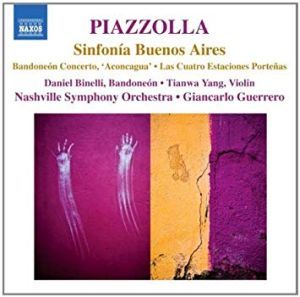
Astor Piazzolla (1921-1992): Sinfonía Buenos Aires, Concierto para Bandoneón, Las Cuatro Estaciones Porteñas

Astor Piazzolla (1921-1992): Sinfonía Buenos Aires, Concierto para Bandoneón, Las Cuatro Estaciones Porteñas

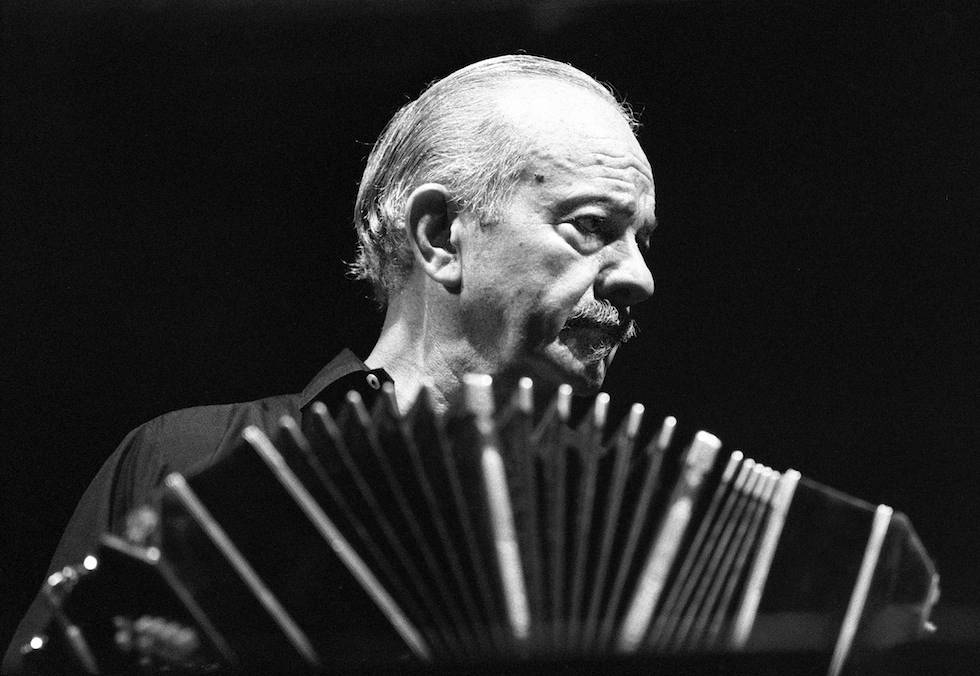
Piazzolla SBAUm pouco antes de sofrer a trombose cerebral que o matou, Piazzolla se apresentou no Brasil, mas infelizmente não tive a oportunidade de vê-lo no Teatro Municipal de São Paulo pelo simples fato de já se terem esgotados os ingressos. Uma curiosidade: no dia desta apresentação, no final de 1989, ocorreu um eclipse lunar. Nunca esqueci deste detalhe, e hoje, ou melhor, nesta madrugada de 20 para 21 de dezembro de 2010, início de verão no hemisfério sul, teremos novamente um eclipse lunar. Uma amiga jornalista teve a oportunidade de assistir a este espetáculo. Contou no dia seguinte que quando acabou a apresentação, ao sair do Teatro, viu o eclipse ocorrendo. Ela e diversos outros espectadores, ainda anestesiados pelo magnífico espetáculo que tinham assistido, sentaram-se nas escadarias do Teatro e ficaram olhando para o céu, observando aquele outro espetáculo, desta vez da natureza.

Minha relação com a música de Astor Piazzolla é de longa data. Meu primeiro contato foi com um disco absolutamente magnífico, no qual interpreta a inesquecível “Balada para un Loco”, cantada por sua eterna musa, Amelita Baltar. Posteriormente tive acesso a outros discos, e a admiração só cresceu.

Este disco que ora posto não é o melhor, nem a interpretação é das melhores, apesar das 4 estrelas e meia dadas pela Amazon. Mas é Piazzolla. Particularmente prefiro ele mesmo interpretando sua obra, mas vamos dar chance aos outros. Eles também tem o direito de explorar a genialidade de sua música, de tentar buscar no fundo de suas almas a emoção que ela exige ao ser interpretada. Em minha opinião, falta a alma latina na interpretação desta Orquestra de Nashville.

Mas há curiosidades nos arranjos para As 4 Estações Portenhas: há refrescantes citações de Vivaldi em cada movimento. Assim, os verões e invernos e primaveras e outonos de ambos os compositores se misturam. Fica bonito.

Assim que possível trago mais música deste monstro sagrado da música do século XX. Não posso apenas rotulá-lo como um músico de tango. Ele foi muito mais do que isso.

Astor Piazzolla (1921-1992): Sinfonia Buenos Aires, Concierto para Bandoneón, Las Cuatro Estaciones Porteñas

1. Sinfonía Buenos Aires, for orchestra: 1. Moderato – Allegretto
2. Sinfonía Buenos Aires, for orchestra: 2. Lento, con anima
3. Sinfonía Buenos Aires, for orchestra: 3. Presto marcato

4. Concerto for bandoneón & orchestra: 1. Allegro marcato
5. Concerto for bandoneón & orchestra: 2. Moderato
6. Concerto for bandoneón & orchestra: 3. Presto

7. Cuatro estaciónes porteñas (The Four Seasons), tango cycle: Otoño Porteno (Autumn)
8. Cuatro estaciónes porteñas (The Four Seasons), tango cycle: Inviero Porteño (Winter)
9. Cuatro estaciónes porteñas (The Four Seasons), tango cycle: Primavera Porteña (Spring)
10. Cuatro estaciónes porteñas (The Four Seasons), tango cycle: Verano Porteño (Summer)

Daniel Binelli – Bandoneón
Tianwa Yang – Violin
Nashville Symphony Orchestra
Giancarlo Guerrero – Conductor

BAIXE AQUI – DOWNLOAD HERE

Astor Piazzolla
Astor Piazzolla

FDPBach

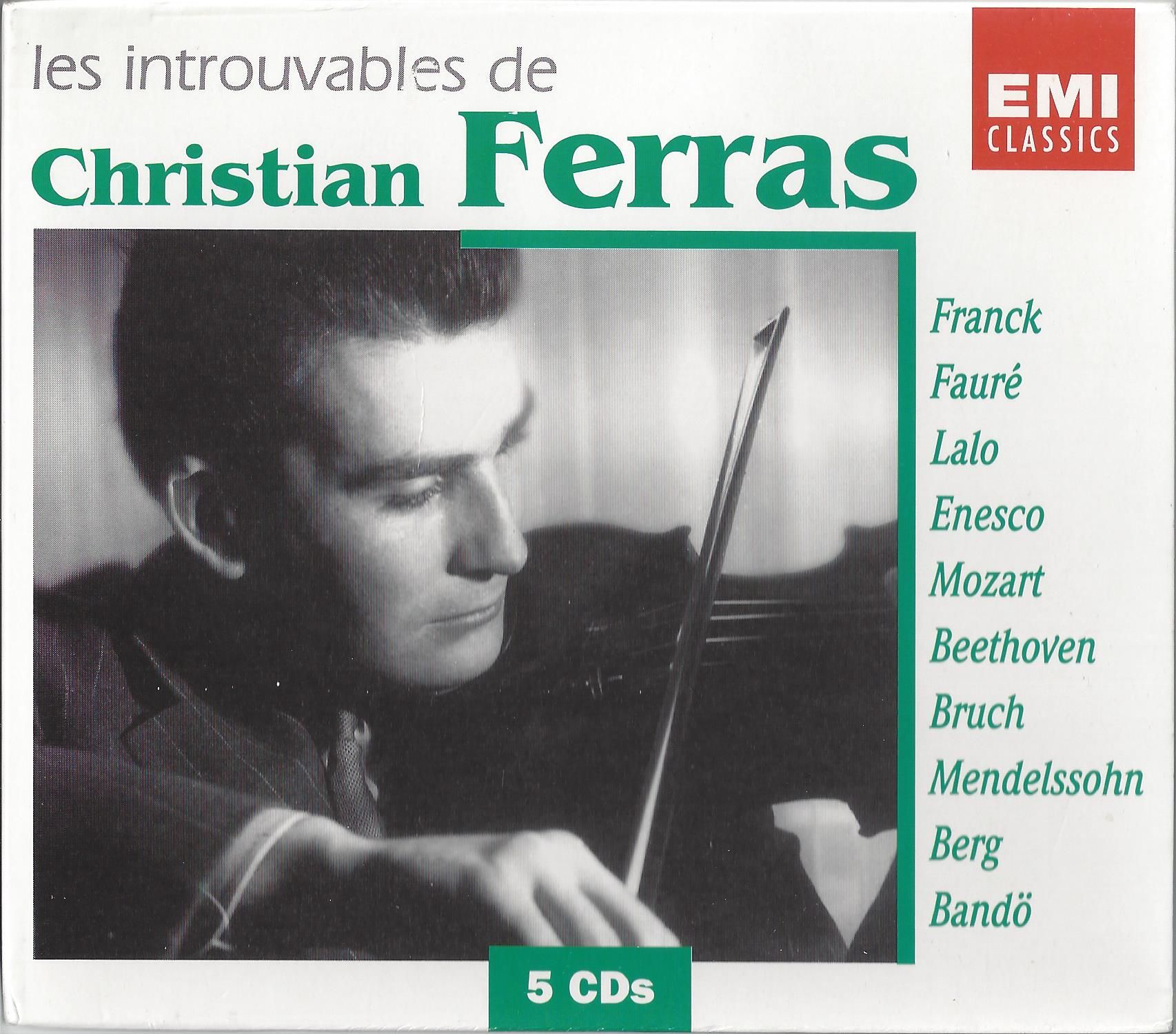
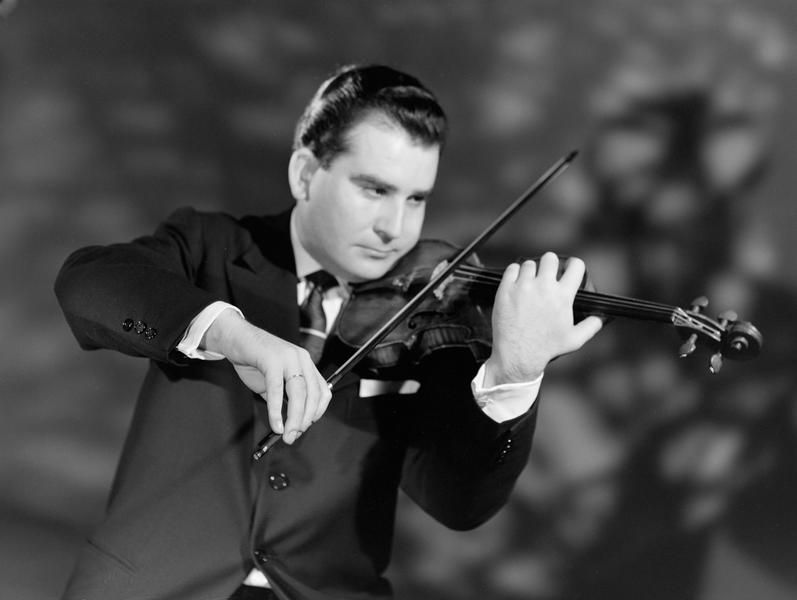
Cesar Frank (1822-1890) – Sonate pour Violin & Piano, Gabriel Fauré (1845-1924) – Sonate pour Violin & Piano, Eduard Lalo (1823-1892) – Symphonie Espagnole – Christian Ferras, Pierre Barbizet

slipcasefrontEste CD faz parte de  uma coleção da gravadora EMI intitulada “Les Introuvables”. Como o meu conhecimento da língua francesa é precário, recorri a meus colegas colaboradores daqui do PQPBach. O monge Ranulfus, ainda em retiro espiritual em uma paradisíaca praia do litoral brasileiro, tradutor da bela língua durante muitos anos, e o russo naturalizado gaúcho (ou seria o contrário?) Vassily Grienrikovich  (sim, ele está voltando, depois de alguns anos meditando, em viagens pela África e pela Europa do Leste e também por alguns rincões distantes do nosso país) me ofereceram então uma bela opção para a tradução desta palavra que não teria similar em português: Inencontráveis. Interessante levando em consideração a proposta da EMI: gravações raras, pouco ou talvez nunca comercializadas. “Tesouros” poderia ser uma opção, mas esta palavra pode ter outras possibilidades de entendimento. Por isso então fico com ‘Inencontráveis’ .

Enfim, este CD traz algumas pérolas discográficas deste grande violinista francês que suicidou-se antes de completar os cinquenta anos de idade.

Começa com a Sonata de Cesar Frank, uma joia do romantismo, talvez a principal obra deste compositor. Em seguida, temos outra pérola, a Sonata de Gabriel Fauré, para concluir com a “Symphonie Espagnole” de Lalo. Ou seja, um repertório basicamente francês.

Espero que os senhores apreciem. Eu gostei muito, principalmente da Sonata de Frank, uma das mais belas e intensas interpretações que já ouvi.

01 – Sonate pour violon & piano en la majeur – 1. Allegretto ben moderato
02 – Sonate pour violon & piano en la majeur – 2. Allegro
03 – Sonate pour violon & piano en la majeur – 3. Recitativo-Fantasia
04 – Sonate pour violon & piano en la majeur – 4. Allegretto poco mosso
05 – Sonate pour violon & piano no.1 en la majeur, Op.13 – 1. Allegro molto
06 – Sonate pour violon & piano no.1 en la majeur, Op.13 – 2. Andante
07 – Sonate pour violon & piano no.1 en la majeur, Op.13 – 3. Allegro vivo
08 – Sonate pour violon & piano no.1 en la majeur, Op.13 – 4. Allegro quasi presto

Christian Ferras – Violin
Pierre Barbizet – Piano

09 – Symphonie espagnole pour violon & orchestre en re mineur, Op.21 – 1. Allegro
10 – Symphonie espagnole pour violon & orchestre en re mineur, Op.21 – 2. Scherzan
11 – Symphonie espagnole pour violon & orchestre en re mineur, Op.21 – 3. Andante
12 – Symphonie espagnole pour violon & orchestre en re mineur, Op.21 – 4. Rondo (allegro)

Christian Ferras – Violin
Philharmonia Orchestra
Walter Süskind – Conductor

BAIXE AQUI – DOWNLOAD HERE

Christian Ferras
Christian Ferras

Joaquin Rodrigo (1901-1999) – Concierto de Aranjuez, Fantasia para un gentilhombre, Invocacion y danza, Tres pequenas piezas – Pepe Romero, Sir Neville Marriner, ASMF

61Mxd1cVChL._SS500Ué, de novo? Alguns irão perguntar, mas responderei: Ontem trouxe a versão de John Williams com o Eugene Ormandy, e hoje vos trago outro mestre do violão, Pepe Romero, tocando estas duas obras primas de Rodrigo. Não quero estabelecer um ranking para decidir de quem é a melhor versão, senão teria que trazer Narciso Yepes e Andrés Segovia para tornar a disputa mais acirrada. Mas enfim, vos trago as versões que melhor conheço, as ouço há mais de quarenta anos, principalmente a do John Williams, como bem descrevi no texto de ontem.

Não preciso tecer maiores comentários aqui. São duas escolas diferentes, um australiano e um espanhol, mas igualmente excepcionais músicos, acompanhados por magníficas orquestras e maestros idem. Não quero estabelecer parâmetros, nem rankings. Apenas peço para os senhores ouvirem, só isso.

01. Rodrigo Concierto de Aranjuez – I  Allegro con spirito
02. Rodrigo Concierto de Aranjuez – II  Adagio (Christine Pendrill cor anglais)
03. Rodrigo Concierto de Aranjuez – III  Allegro gentile
04. Rodrigo Fantasia para un gentilhombre – I. Andante moderato
05. Rodrigo Fantasia para un gentilhombre – II. Adagio – Allegretto –
06. Rodrigo Fantasia para un gentilhombre – III. Allegro con brio
07. Rodrigo Fantasia para un gentilhombre – IV  Canario Allegro ma non troppo
08. Rodrigo Canconeta
09. Rodrigo Invocacion y danza (Homenaje a Manuel de Falla) – Moderato
10. Rodrigo Invocacion y danza (Homenaje a Manuel de Falla) – Allegro moderato
11. Rodrigo Tres pequenas piezas – I  Ya se van los pastores
12. Rodrigo Tres pequenas piezas – II  Por caminos de Santiago
13. Rodrigo Tres pequenas piezas – III  Pequena sevillana

Pepe Romero – Violão
Academy of Saint Martin in the Fields
Sir Neville Marriner – Conductor

BAIXE AQUI – DOWNLOAD HERE

1220070_01

FDP

Ludwig van Beethoven (1770-1827) – Violin Concertos & Romances for Violin & Orchestra – Salvatore Accardo, Carlo Maria Giulini, La Scala Philharmonic Orchestra

img346Após alguns dias do computador de casa e de meu acervo resolvi fuçar meus HDs externos e encontrei esta excelente gravação com um timaço de italianos tocando Beethoven: duas lendas, na verdade,  o  violinista Salvatore Accardo e o maestro italiano Carl o Maria Giulini regendo a Orquestra do teatro Scala de Milão, lá em 1994.

A maturidade desta dupla e seu profundo conhecimento da obra em si talvez explique a leitura que fazem do Concerto de Beethoven: tranquila, apaixonada, sem pressa … e muito romântica. Nada de arroubos virtuosísticos, de explosões emotivas, apenas uma sensibilidade muito aguçada, contando com a cumplicidade da excelente orquestra italiana. Accardo ainda é vivo, está com setenta e seis anos, enquanto que Carlo Maria Giulini infelizmente já nos deixou em 2005, com noventa e um anos de vida, muito bem vividos, diga-se de passagem.

O Concerto para Violino de Beethoven é uma obra única, em minha modesta opinião o melhor, mais belo e mais completo concerto para este instrumento já escrito, e provavelmente jamais será batido. Sim, eu sei, existe o Concerto de Brahms, que é páreo duro, cabeça a cabeça … mas isso é assunto para outro momento.

01. Concerto for Violin and Orchestra in D major,Op.61, I. Allegro ma non troppo
02. Concerto for Violin and Orchestra in D major,Op.61, II. Larghetto
03. Concerto for Violin and Orchestra in D major,Op.61, III. Rondo.  Allegro
04. Romance for Violin and Orchestra No.1 in D major,Op.40
05. Romance for Violin and Orchestra No.2 in F major,Op.50

Salvatore Accardo – Violin
La Scala Philharmonic Orchestra
Carlo Maria Giulini – Conductor

BAIXE AQUI – DOWNLOAD HERE

Maurice Ravel (1875-1937) – The Complete Edition – Cds 9, 10, 11- Orchestral Works

51Iibj3qABL

NOVOS LINKS !!! REPOSTAGEM !!!

Acho que esses três CDs trazem algumas das obras que alguns dos senhores estão aguardando ansiosamente .
Começando por “Daphnis Et Chloé”, na premiada versão de Charles Dutoit lá no início dos anos 70, e considerada uma da melhores versões dessa obra, passando pela “Pavane pour une infante défunte”, uma das mais belas obras de Ravel,  obviamente o “Bolero” está presente, assim como o “Concerto para Piano”, com a jovem Martha Argerich e seu fiel colaborador Claudio Abbado, ah, os anos 70 … enfim, são três CDs absolutamente “IM-PER-DÍ-VEIS !!!
Estamos entrando na reta final desta caixa. Sei que os senhores estão gostando pelo número de downloads. Mas dá trabalho postar tanto CD assim, viu? Esse material está guardado me um HD externo que de vez em quando resolve não querer trabalhar, então de vez em quando a coisa é meio tensa..

Mas vamos ao que viemos.

CD 9

01 – Daphnis et Chloé – 1ère Partie – I. Introduction et Danse religieuse
02 – Daphnis et Chloé – 1ère Partie – II. Danse générale
03 – Daphnis et Chloé – 1ère Partie – III. Danse grotesque de Dorcon
04 – Daphnis et Chloé – 1ère Partie – IV. Danse légère et gracieuse de Daphnis
05 – Daphnis et Chloé – 1ère Partie – V. Danse de Lycéion
06 – Daphnis et Chloé – 1ère Partie – VI. Danse lente et mystérieuse
07 – Daphnis et Chloé – 2ème Partie – I. Introduction
08 – Daphnis et Chloé – 2ème Partie – II. Danse guerrière
09 – Daphnis et Chloé – 2ème Partie – III. Danse suppliante de Chloé
10 – Daphnis et Chloé – 3ème Partie – I. Lever du jour
11 – Daphnis et Chloé – 3ème Partie – II. Daphne et Chloé miment l’aventure de Pan
12 – Daphnis et Chloé – 3ème Partie – III. Danse générale
13 – Pavane pour une infante défunte
14 – La Valse

Orchestre Symphonique de Montréal
Charles Dutoit

CD 10

01. Ravel  Piano Concerto In G  1. Allegramente
02. Ravel  Piano Concerto In G  2. Adagio Assai
03. Ravel  Piano Concerto In G  3.Presto

Martha Argerich – Piano

04. Ravel  Piano Concerto For The Left Hand In D

Michel Beroff

05. Ravel  Menuet Antique – For Orchestra  Maestoso
06. Ravel  Le Tombeau De Couperin – Orchestral Version  1. Prélude
07. Ravel  Le Tombeau De Couperin – Orchestral Version  2. Forlane
08. Ravel  Le Tombeau De Couperin – Orchestral Version  3. Menuet
09. Ravel  Le Tombeau De Couperin – Orchestral Version  4. Rigaudon
10. Ravel  Valses Nobles Et Sentimentales  1. Modéré – Très Franc
11. Ravel  Valses Nobles Et Sentimentales  2. Assez Lent – Avec Une Expression
12. Ravel  Valses Nobles Et Sentimentales  3. Modéré
13. Ravel  Valses Nobles Et Sentimentales  4. Assez Animé
14. Ravel  Valses Nobles Et Sentimentales  5. Presque Lent – Dans Un Sentiment
15. Ravel  Valses Nobles Et Sentimentales  6. Assez Vif
16. Ravel  Valses Nobles Et Sentimentales  7. Moins Vif
17. Ravel  Valses Nobles Et Sentimentales  8. Epilogue (Lent)

London Symphony Orchestra
Claudio Abbado

CD 11

01. Fanfare pour ‘L’Eventail de Jeanne’ (1927)
02. Bolero (1928)
03. Alborada del gracioso (1905, orch. 1918)
04. Ma Mere L’Oye, Complete ballet – Prélude
05. Ma Mere L’Oye, Complete ballet – Danse du rouet et Scène
06. Ma Mere L’Oye, Complete ballet – Pavane de la Belle aus bois dormant
07. Ma Mere L’Oye, Complete ballet – Les Entretiens de La Belle et de la Bête
08. Ma Mere L’Oye, Complete ballet – Petit Poucet
09. Ma Mere L’Oye, Complete ballet – Laideronnete, impératrice des pagodes – Aphotéose: Le Jardin féerique
10. Une barque sur l’ocean
11. Rapsodie espagnole (1908) – Prelude a la nuit, Malaguena, Habanera, Feria

Orchestre Symphonique de Montréal
Charles Dutoit

CD 9 – BAIXE AQUI – DOWNLOAD HERE
CD 10 – BAIXE AQUI – DOWNLOAD HERE
CD 11 – BAIXE AQUI – DOWNLOAD HERE

100 Anos de Leonard Bernstein – Gustav Mahler – Des Knaben Wunderhorn – Christa Ludwig, Walter Berry, Leonard Bernstein, New York Philharmonic

folderLeonard Bernstein (Lawrence, 25 de agosto de 1918 – Nova Iorque, 14 de outubro de 1990). Aqui, todas as postagens desta série.

Vou encerrar minha homenagem a Leonard Bernstein com mais uma sensacional gravação realizada em seus tempos de Nova York, desta vez com dois solistas de primeira linha, o barítono Walter Berry e a mezzo – soprano Christa Ludwig cantando Gustav Mahler, ‘Des Knaben Wunderhorn’.

Gustav Mahler – Des Knaben Wunderhorn – Christa Ludwig, Walter Berry, Leonard Bernstein, New York Philharmonic

01. Lieder Aus ‘Des Knaben Wunderhorn’ – Der Schildwache Nachtlied
02. Lieder Aus ‘Des Knaben Wunderhorn’ – Wer Hat Dies Liedlein Erdacht
03. Lieder Aus ‘Des Knaben Wunderhorn’ – Der Tamboursg’sell
04. Lieder Aus ‘Des Knaben Wunderhorn’ – Rheinlegendchen
05. Lieder Aus ‘Des Knaben Wunderhorn’ – Lied Des Verfolgten Im Turm
06. Lieder Aus ‘Des Knaben Wunderhorn’ – Urlicht
07. Lieder Aus ‘Des Knaben Wunderhorn’ – Revelge
08. Lieder Aus ‘Des Knaben Wunderhorn’ – Des Antonius Von Padua Fischpredig
09. Lieder Aus ‘Des Knaben Wunderhorn’ – Verlor’ne Muh’
10. Lieder Aus ‘Des Knaben Wunderhorn’ – Wo Die Schonen Trompeten Blasen
11. Lieder Aus ‘Des Knaben Wunderhorn’ – Lob Des Hohen Verstandes
12. Lieder Aus ‘Des Knaben Wunderhorn’ – Das Irdische Leben
13. Lieder Aus ‘Des Knaben Wunderhorn’ – Trost Im Ungluck
14. Lieder Eines Fahrenden Gesellen – 1. Wenn Mein Schatz Hochzeit Macht
15. Lieder Eines Fahrenden Gesellen – 2. Ging Heut Morgen Ubers Feld
16. Lieder Eines Fahrenden Gesellen – 3. Ich Hab’ Ein Gluhend Messer
17. Lieder Eines Fahrenden Gesellen – 4. Die Zwei Blauen Augen

Christa Ludwig – Mezzo Soprano
Walter Berry – Baritone
New York Philharmonic
Leonard Bernstein – Conductor

BAIXE AQUI – DOWNLOAD HERE

FDP

100 anos de Leonard Bernstein – Carl Nielsen – Concerto for Flute & Orchestra, Concerto for Clarinet and Orchestra – Bernstein, Baker, Drucker, New York Philharmonic

100 anos de Leonard Bernstein – Carl Nielsen – Concerto for Flute & Orchestra, Concerto for Clarinet and Orchestra – Bernstein, Baker, Drucker, New York Philharmonic

folder

Leonard Bernstein (Lawrence, 25 de agosto de 1918 – Nova Iorque, 14 de outubro de 1990). Aqui, todas as postagens desta série.

Nesta homenagem aos 100 anos de seu nascimento, talvez tenhamos centralizado muito as postagens de Bernstein com cds dos últimos anos de sua vida, e esquecemos de trazer sua produção dos anos 60, importantíssima, quando se firmou como o grande maestro que era, dirigindo a New York Philharmonic e gravando muito pelo selo CBS, que posteriormente foi adquirido pela Sony.

A postagem anterior que trouxe, com sua histórica performance com Rudolf Serkin do Concerto Imperador de Beethoven é uma pequena amostra daqueles áureos tempos.

Esta gravação dos Concertos para Flauta e para Clarinete de Carl Nielsen são também daquela época. Ele também gravou a integral das sinfonias deste compositor, não lembro se já a trouxemos.

P.S. Uma curiosidade a respeito desta gravação: ambos os solistas, Julius Baker e Stanley Drucker,  são músicos da própria Orquestra, primeiro flautista e primeiro clarinetista, respectivamente.

01. Concerto for Flute and Orchestra [Baker, fl] , I. Allegro moderato
02. Concerto for Flute and Orchestra [Baker, fl], II. Allegretto
03. Concerto for Clarinet and Orchestra [Drucker, cl]

Julius Baker – Flute
Stanley Drucker – Clarinet
New York Philharmonic Orchestra
Leonard Bernstein – Conductor

BAIXE AQUI – DOWNLOAD HERE

39501107_1802553816499059_2866402547046809600_n

FDP