
Blocos de granito – não estátuas de mármore!
Gustav Mahler sobre os textos reunidos em Des Knaben Wunderhorn
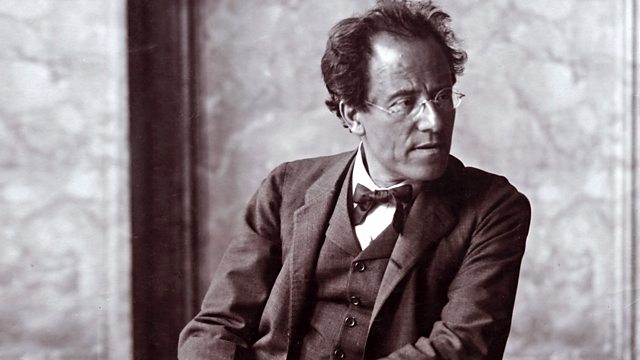 Mahler explicou: Os textos reunidos no Wunderhorn, por exemplo, não são poemas magistrais, mas blocos de granito dos quais quem quiser poderá formar o que bem desejar. Foi assim que Mahler preparou os textos retirados dessa coleção para compor suas canções, os encurtou, acrescentou repetições, reorganizou, reunindo mais do que um poema em uma só canção, acrescentou versos e com isso deu a certos textos novos sentidos.
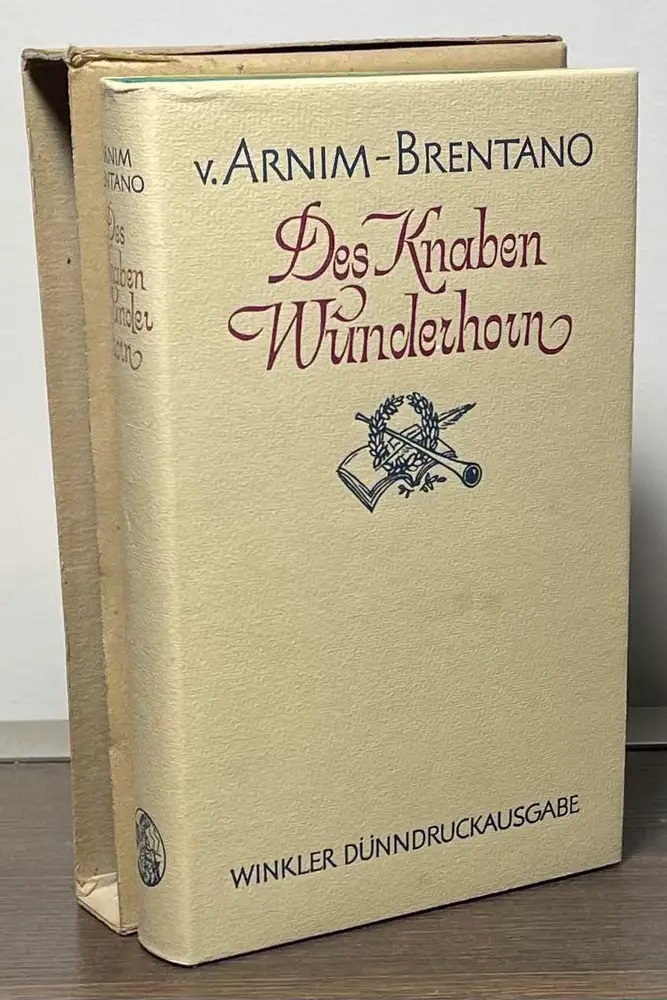
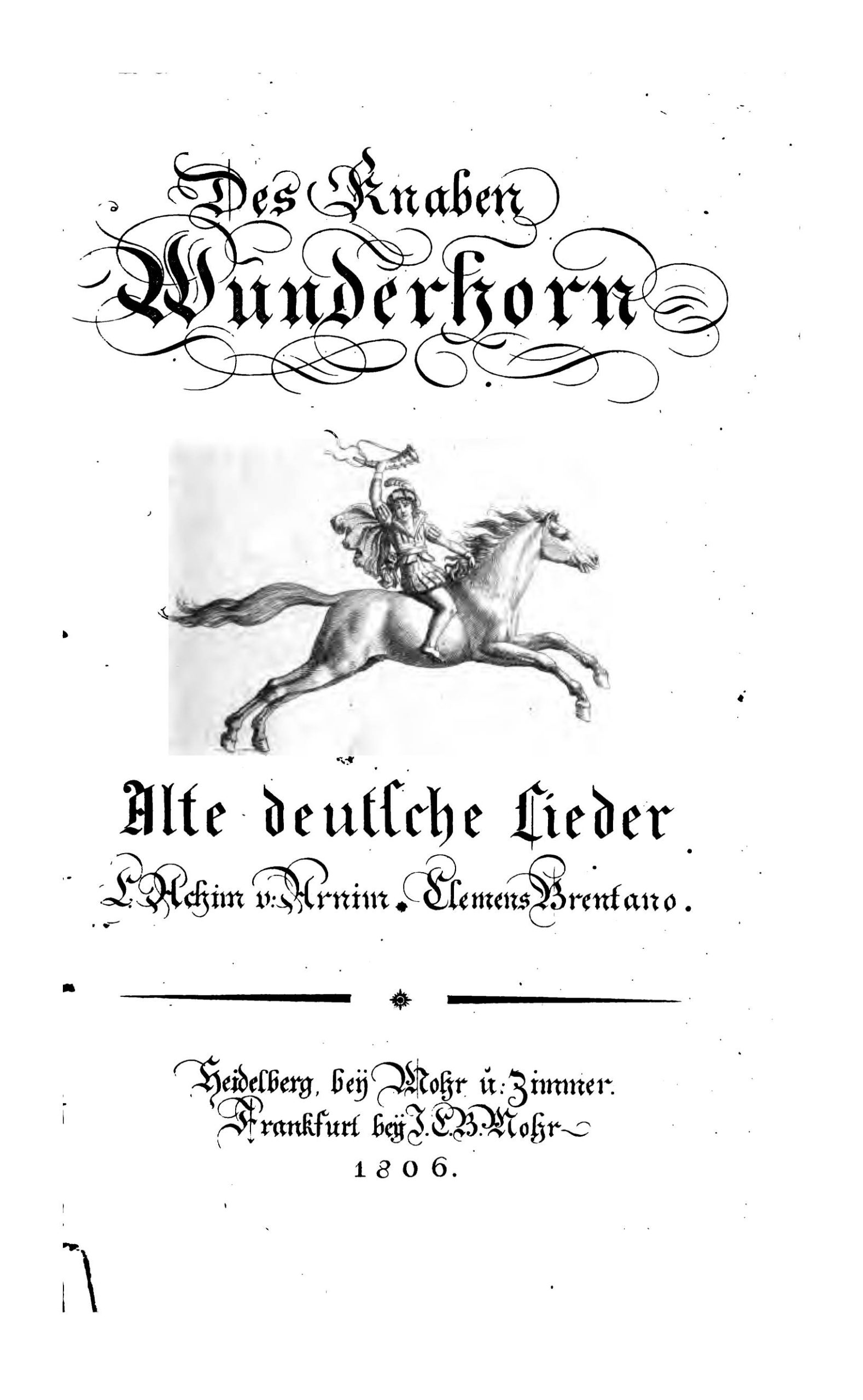 Meu primeiro contato com a música de Mahler foi o disco ‘Mahler para Milhões’, uma antologia de trechos da Integral das Sinfonias gravada por Rafael Kubelik. Duas faixas desse disco são canções compostas sobre textos encontrados na coleção de poemas folclóricos reunidos na coletânea intitulada Des Knaben Wunderhorn editada por Clemens Brentano e Archim von Arnim entre 1805 e 1808. Essas poesias rústicas inspiraram vários compositores como Mendelssohn, Schumann, Brahms e outros, mas com Mahler foi um pouco diferente. Ao longo de 14 anos, entre 1887 e 1901, ele compôs 24 canções com letras construídas de textos dessa coleção. Um percurso memorável que transcendeu a canção e permeou seu universo sinfônico.
Vamos à postagem. Como adoro essas canções, venho colecionando diversas gravações, tanto das 12 canções que foram orquestradas, ou 15, se levarmos em conta mais três que estão incorporadas às sinfonias e das 9 primeiras que ficaram na forma voz acompanhada por piano. Digo ficaram porque as canções do Wunderhorn foram sempre compostas originalmente para voz e piano e de um ponto em diante Mahler passou a escrever uma versão orquestral para o acompanhamento. De qualquer forma, esse conjunto foi sendo publicado, mas Mahler não teve a intensão de que formassem um ciclo, como o Dichterliebe de Schumann ou o Winterreise de Schubert.
Hoje vamos ouvir (postar) duas gravações nas quais as canções são interpretadas com duas vozes acompanhadas por orquestra. Há gravações de todos os jeitos, inclusive uma só voz e acompanhamento de piano. Hoje ficaremos no conjunto daquelas cujo acompanhamento é feito por orquestra.
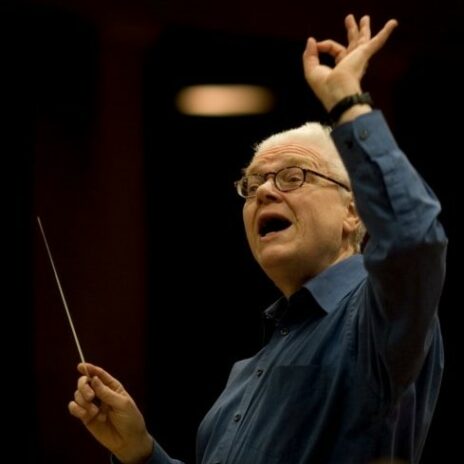
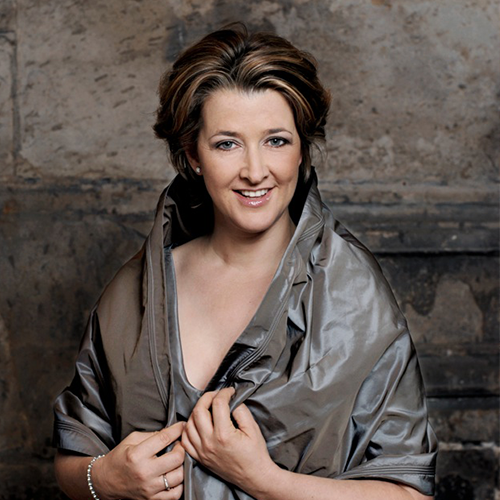
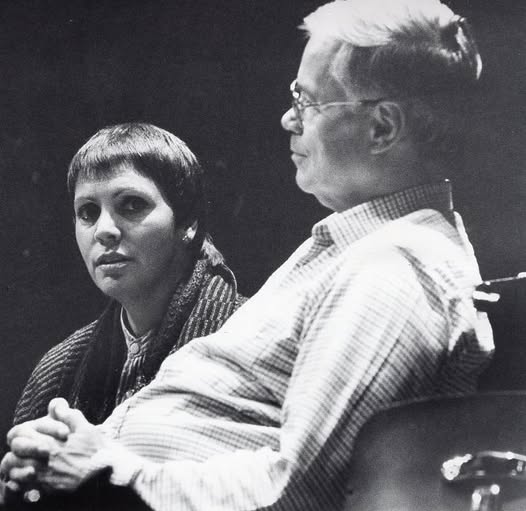 Nas duas gravações escolhidas as orquestras são de rádios alemãs, uma delas com dois cantores que podemos chamar de lendas do Lieder: Dietrich Fischer-Dieskau e Brigitte Fassbaender. Eles são acompanhados pela Rundfunk-Sinfonieorchester Saarbrücken regida por Hans Zender, numa gravação feita em abril de 1979. Eles cantam 11 canções ao longo de 45 minutos intensos. Do ‘canone´das 12 Wunderhorn com acompanhamento de orquestra só ficou de fora uma cançãozinha intitulada Verlor’ne Muh’. O regente é Hans Zender, também compositor, arranjou o Winterreise para voz e orquestra e foi bem identificado com música contemporânea. Este é o segundo disco de um álbum duplo, parte de uma coleção de CDs lançada em sua homenagem, reunindo música de compositores clássicos e contemporâneos. O outro disco traz a Nona Sinfonia de Mahler, mas hoje é dia de Knaben Wunderhorn.
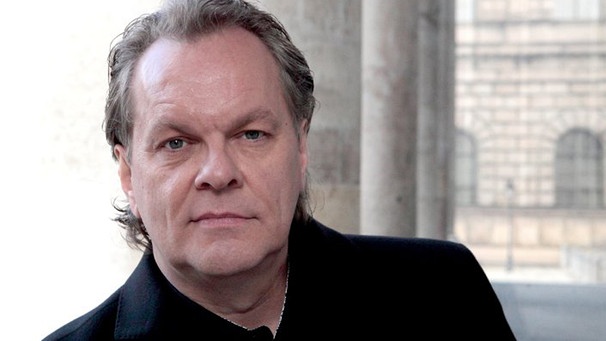
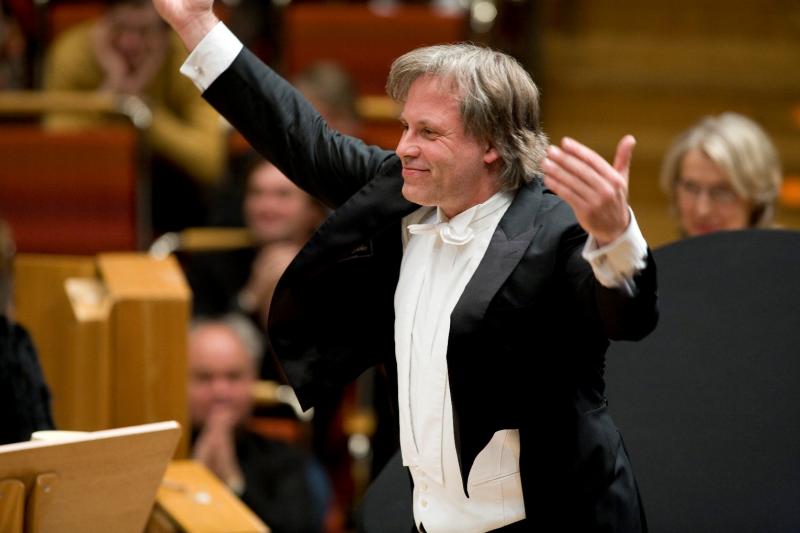
O outro disco da postagem tem cantores menos estelares, mas não menos maravilhosos, diferentes. Temos as 12 canções usualmente listadas como o ‘ciclo’ Wunderhorn e mais duas das que habitam o universo sinfônico: Urlicht, da Segunda Sinfonia, e Das himmelische Leben, movimento final da Quarta Sinfonia. Esse generoso disco traz também um excelente texto no libreto. Aqui a orquestra é mais conhecida, pelo menos eu acho, a Gürzenich-Orchester Köln, regida por Markus Stenz. Eles gravaram um ciclo das Sinfonias de Mahler. Eu não ouvi os discos, mas deve ter pelo menos boas gravações, contando com o que eu ouvi aqui e com a tradição e experiência do conjunto.
 Se você já tem alguma experiência com a música de Mahler e, em particular, com as canções do Wunderhorn, sabe que vai encontrar um universo sonoro cheio de trechos de fanfarras e marchas militares, tão significativas para o compositor, e personagens fantásticas. Soldados, fantasmas, crianças famintas, animais, santos e pecadores. Esse clima de lendas e mensagens subliminares merece audição cuidadosa e um certo esforço para entender a trama de cada um desses microuniversos pode render mais prazer na audição.
Eu gosto muito de canções como Des Antonius von Padua Fischpredigt que conta como os ‘peixes’ prestam muita atenção ao sermão do santo, mas ao fim do mesmo retornam às suas mesmas práticas e rotinas, assim como nós mesmos. Adoro Rheinlegendchen, com o peixe com o anel na barriga. E adivinhem quem encontrará o anel? E como ele foi parar ali? Como termina a historieta?
As canções com soldados, temas de guerra e de separações de casais por essas razões fazem um grupo entre elas, sendo que Revelge e Der Tamboursg’sell são as últimas canções do Wunderhorn a terem sido compostas, publicadas em conjunto com as canções sobre poemas de Rückert. Essas canções sumarizam essa fase e encerram os 14 anos nos quais Mahler lidou com esse material.
Voltaremos ao tema do Wunderhorn em próximas postagens.
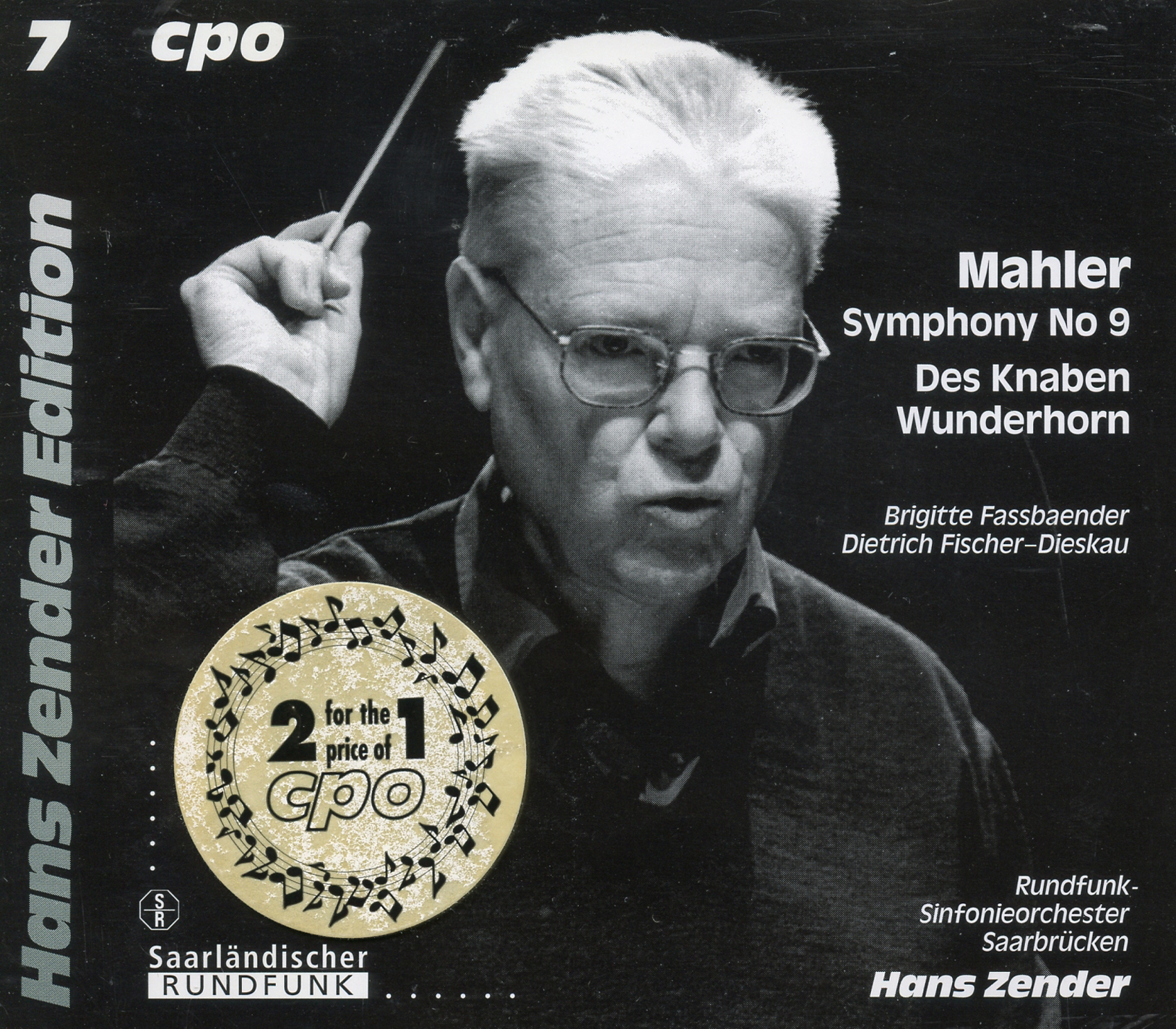
Gustav Mahler (1860 – 1911)
Lieder Aus Des Knaben Wunderhorn
- 13 – Revelge
- 7 – Rheinlegendchen
- 14 – Der Tamboursg’sell
- 4 – Wer hat dies Liedlein erdacht
- 1 – Der Schildwache Nachtlied
- 10 – Lob des hohen Verstandes
- 6 – Des Antonius von Padua Fischpredigt
- 5 – Das irdische Leben
- 3 – Trost im Ungluck
- 9 – Wo die schönen Trompeten blasen
- 8 – Lied des Verfolgten im Turm
Brigitte Fassbaender, mezzo soprano
Dietrich Fischer-Dieskau, barítono
Orchestra – Rundfunk-Sinfonieorchester Saarbrücken
Hans Zender
Recording: Saarländischer Rundfunk
Kongreßhalle Saarbrücken, 23 April 1979
BAIXE AQUI – DOWNLOAD HERE
MP3 | 320 KBPS | 104 MB
Gustav Mahler (1860 – 1911)
Lieder Aus Des Knaben Wunderhorn
- Rheinlegendchen
- Wer Hat Dies Liedlein Erdacht?
- Des Antonius Von Padua Fischpredigt
- Wo Die Schönen Trompeten blasen
- Der Tambourgesell
- Lob Des Hohen Verstands
- Der Schildwache Nachtlied
- Urlicht
- Trost Im Unglück
- Lied Des Verfolgten Im Turm
- Verlor’ne Müh’
- Revelge
- Das Irdische Leben
- Das Himmelsche Leben
Michael Volle, barítono
Christiane Oelze, soprano
Orchestra – Gürzenich-Orchester Köln
Markus Stenz
BAIXE AQUI – DOWNLOAD HERE
MP3 | 320 KBPS | 141 MB

The Wunderhorn songs contain a partnership of Brigitte Fassbaender and Dietrich Fischer-Dieskau that has to be a recommendation in itself. […] This release is especially valuable in that it’s the only chance we have to hear this incomparable artist in these songs. It’s also good to see this performance correctly assigns one singer to each song since most recordings make the “dialogue” songs duets which was a practice Mahler never sanctioned. One song usually included in performances, “Verlor’ne Muh”, is missing.
Fischer-Dieskau gives a stunning performance of “Revelge”, full of a character and experience. Likewise in “Der Tambourg’sell” he’s the complete Mahlerian in covering every aspect of these bittersweet poems. […] Fassbaender is the antidote to singers like Janet Baker for Wyn Morris. In fact she’s very much the counterpart to Fischer-Dieskau in pointing up the words clearly and with total understanding. In “Lob des hohen Verstandes” she shows a nice line in humour […]. Then in “Wo die schonen Trompeten blasen”, sung by Fassbaender alone, the depth she brings stays long in the mind. […] The vocal partnership for the Wunderhorn songs is absorbing and rewarding along with Zender’s fine accompaniment of it.
Tony Duggan
Michael Volle makes a strong impression. He is characterful in ‘Des Antonius von Padua Fischpredigt’, an orchestral expansion of which found its way into the Second Symphony. He’s even better in the military songs, such as ‘Die Tambourgsell’, the tale of the drummer boy awaiting execution – Stenz’s accompaniment to this is excellent too. Volle also excels in ‘Revelge’, which he sings with fine swagger and bravado; the orchestral scoring is, once again, very well touched in, not least in the ghostly prelude to and accompaniment of the last stanza. Volle also sings ‘Der Schildwache Nachtlied’; here I admired the contrasts he brings to the vocal line and his impressive top register.
Christine Oelze sings expressively, though here and elsewhere I didn’t find that her words were always clear – and I’m not talking just about when she’s singing in her top register. She’s suitably pert in ‘Wer hat dies Liedlein erdacht?’ and, singing in duet with Volle, she catches the playful side of ‘Verlor’ne Müh!’ very well. Although she doesn’t have quite the mezzo timbre she is more convincing in ‘Urlicht’ than I would have expected a soprano to be[…].
On the evidence of what I’ve heard so far Markus Stenz is a pretty good Mahler conductor – and, at his best, in the Third and Fifth Symphonies, a very good one indeed – and he’s working with a very good orchestra.
John Quinn
Caso você tenha acesso às plataformas de distribuição de músicas, aqui está uma possibilidade para a audição:
Aproveite!
René Denon